Professional Custom Stickers Printing Manufacturer Since 2005
Language
Professional Custom Stickers Printing Manufacturer Since 2005
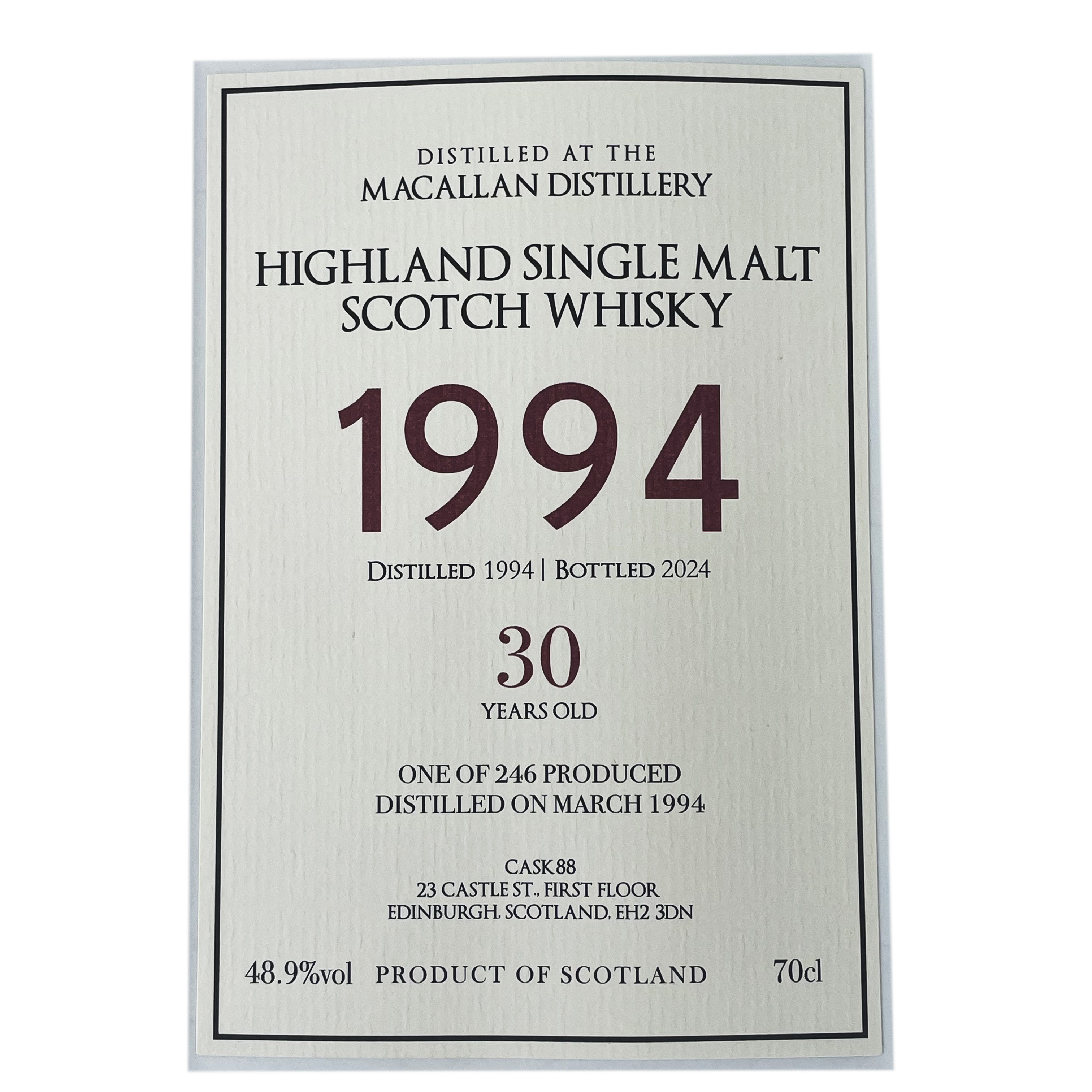
Wine labels are applicable to the bottles of the wine. It like a wine ID card, containing a lot of relevant information. Interpreting the label of a bottle of wine is equivalent to gaining a basic understanding of its background before even tasting its flavor.
There are usually two types of labels that can be seen on wine bottles: one is the wine label of the country of origin distillery , the other is the Chinese wine label attached by the importer or the country of origin distillery according to the regulations of the importer and government.
The common contents of wine labels include the following:
(1) grape variety; (2) Wine name; (3) Harvest year; (4) Grade; (5) Production area; (6) Bottler ; (7) Distillery name; (8) Wine producing country; (9) Net content; (10) Alcohol concentration.
Grape Varieties
Not all wine bottles will indicate the type of grape. Australia, the United States and other producing countries require that a bottle of wine must contain at least 75% of a certain grape variety before the name of that variety can be labeled on the bottle. Traditional European grape producing regions have different regulations, such as Germany and France. If a certain grape variety name appears on the label, it indicates that at least 85% of the wine is made from that grape variety. New World wine labels often display the names of different varieties.
Wine Name
The name of a wine is usually the name of the winery, or it may be a specific name of the estate owner, or even the name of the production area.
Harvest Year
The year indicated on the wine bottle is the harvest year of the grapes. Traditional grape growing regions in Europe, especially in the northern regions, have significant differences in quality with different vintages due to less stable weather compared to New World regions such as Australia and the United States. Vintage is also an important reference factor when purchasing wine. This indicates the age of the wine.
Grade
Wine producing countries usually have strict quality control measures, and the classification methods of wine grades vary from country to country.
Production Area
For traditional wine producing regions, the region name on the wine label is an important piece of information. Knowing that it is a wine from a certain production area, one can roughly understand its characteristics and taste. The names of certain wine producing regions are almost equivalent to the fame of the bottle of wine.
Bottler
Bottlers may not necessarily be the same as winemakers. Wines bottled by the winery themselves will be labeled as' original winery bottled '. Generally speaking, it is more precious than the wine bottled by the distiller.
Distillery Name
Famous breweries often guarantee quality. Taking Burgundy as an example, the same vineyard may be owned by multiple producers or wine merchants. Therefore, when choosing, it is sometimes difficult to distinguish between good and bad based solely on the production area. In this case, the reputation of the winery is an important reference indicator. The producers and bottlers of New World products are generally the same company.
Wine Producing Country
The country of production for this bottle of wine.
Net Content
The general capacity is 750ml, but there are also 375ml, 250ml, and 185ml capacity wines designed specifically for people with low alcohol tolerance, as well as 1500ml, 3000ml, and 6000ml capacity products designed for multi person drinking and banquets.
Alcohol Concentration
Alcohol concentration is usually expressed as (。) or (%). The alcohol concentration of wine is usually between 8% and 15%, but port wine, sherry wine, and other alcoholic beverages have higher alcohol content.
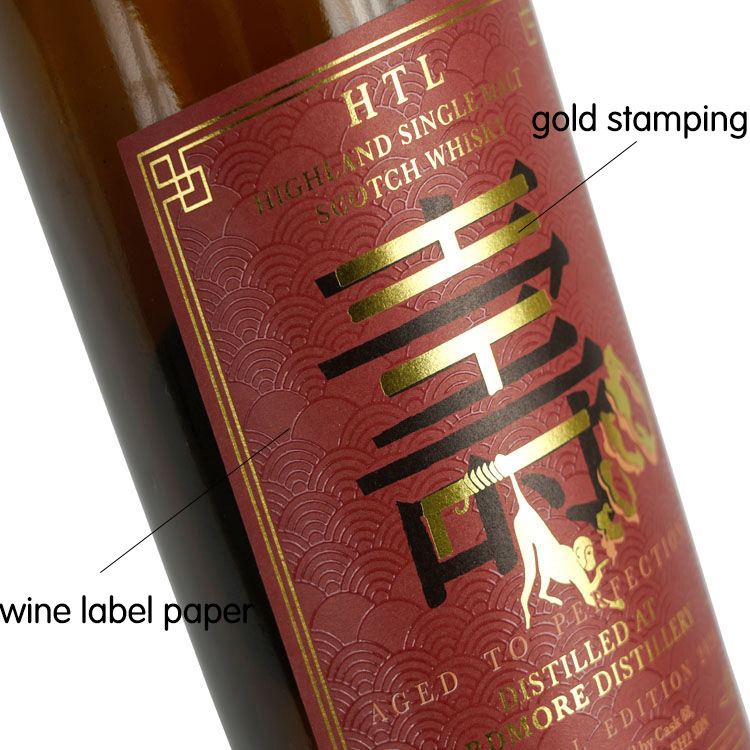
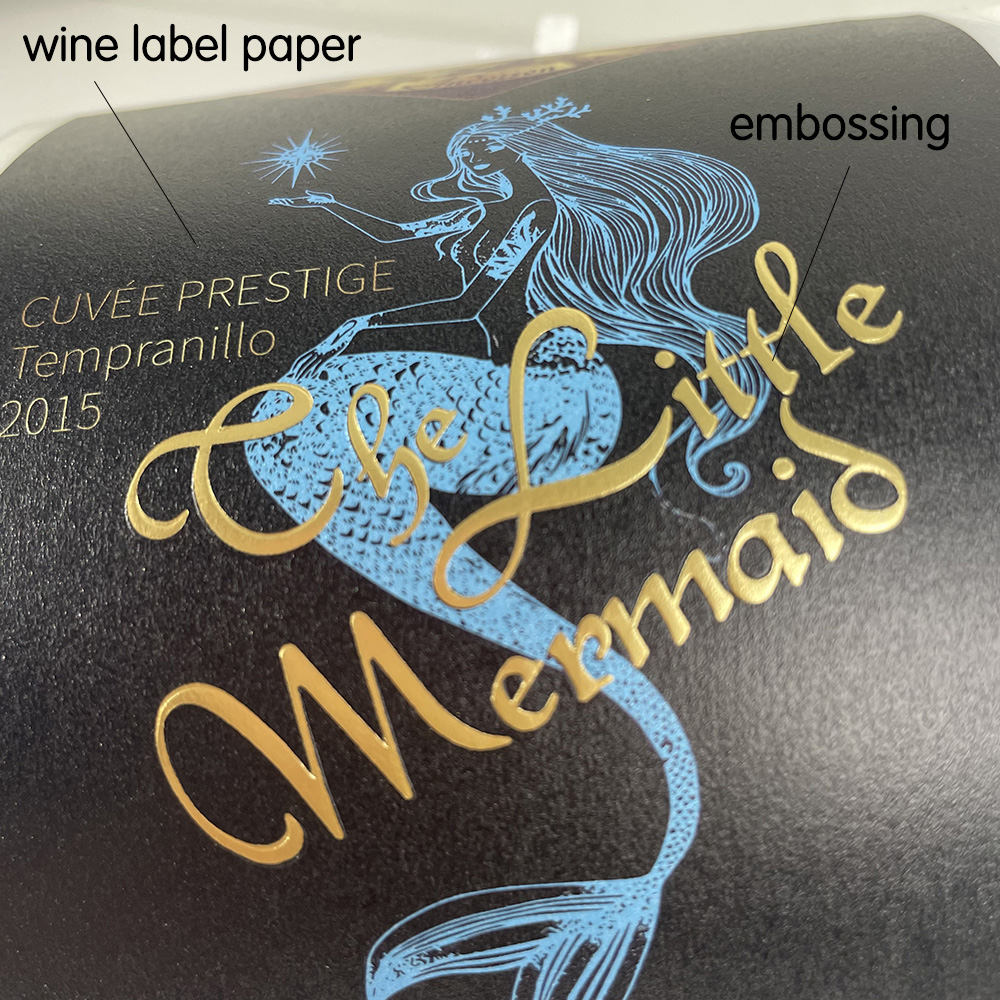
Wine Lable craft
If you have more questions, write to us
Just leave your email or phone number on the contact form so we can provide you with more services!

With well-equipped testing equipment and strong technical force, we have several inward rotogravure printing machines and fully automatic label printing machines.
Copyright © 2026 Shanghai Pure-easy Label Printing Co., Ltd. - All Rights Reserved.