Professional Custom Stickers Printing Manufacturer Since 2005
Language
Professional Custom Stickers Printing Manufacturer Since 2005
In a move that has sent shockwaves through the global economic landscape, on April 2, local time, US President Donald Trump signed two executive orders on the so - called "reciprocal tariffs," imposing a 10 - percent "minimum baseline tariff" and higher rates on certain trading partners. This decision has not only triggered a series of economic chain reactions but also raised a critical question: Will you continue to purchase Chinese products?
Before delving into the impact of the tariff hike, it's essential to understand the current status of Chinese products in the international market. In recent years, "reverse cross - border shopping" has emerged as a new trend.Chinese products, ranging from smart home devices favored in the European and American markets to fashionable clothing popular in Southeast Asia, have penetrated the daily lives of global consumers.
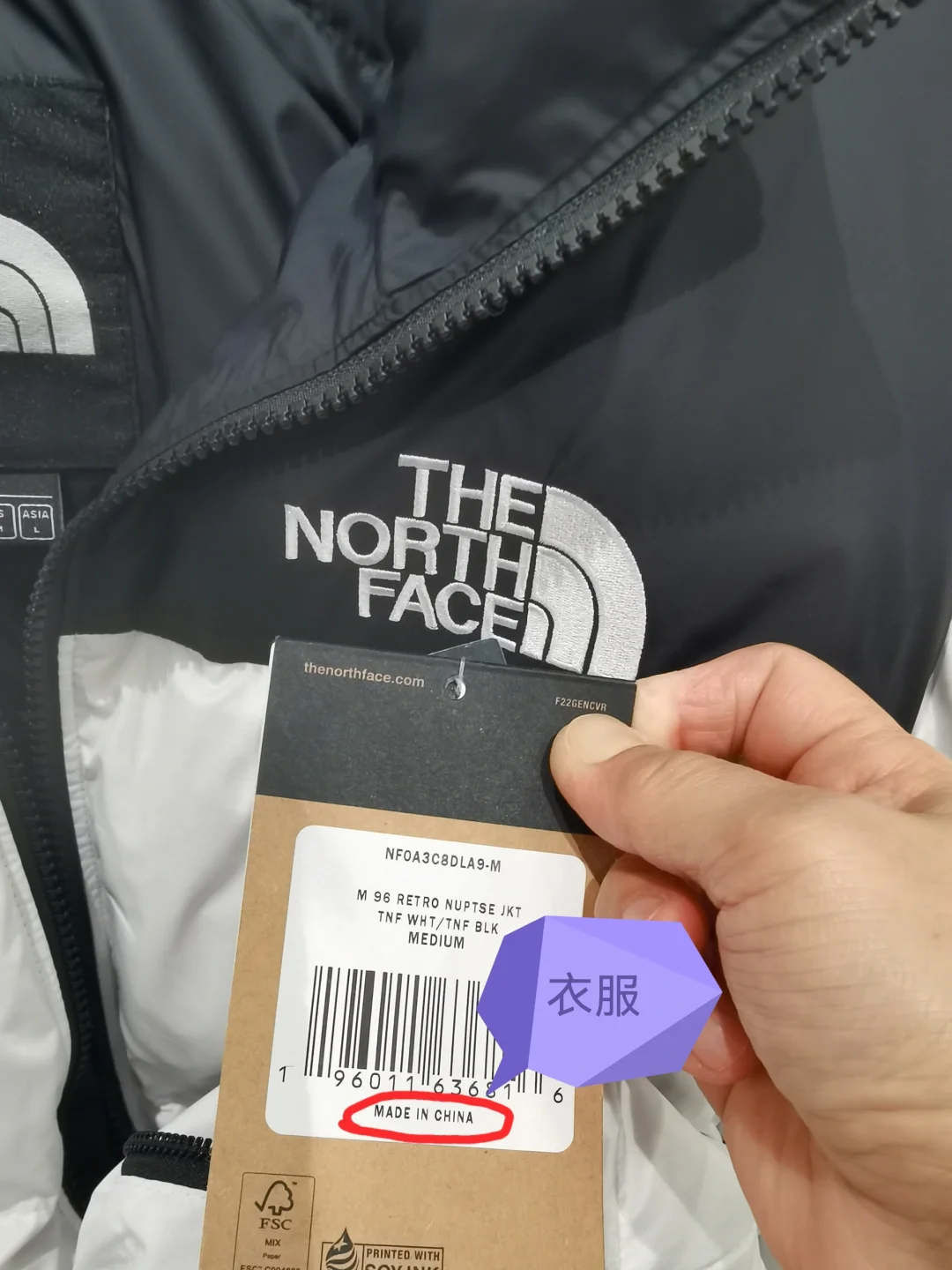
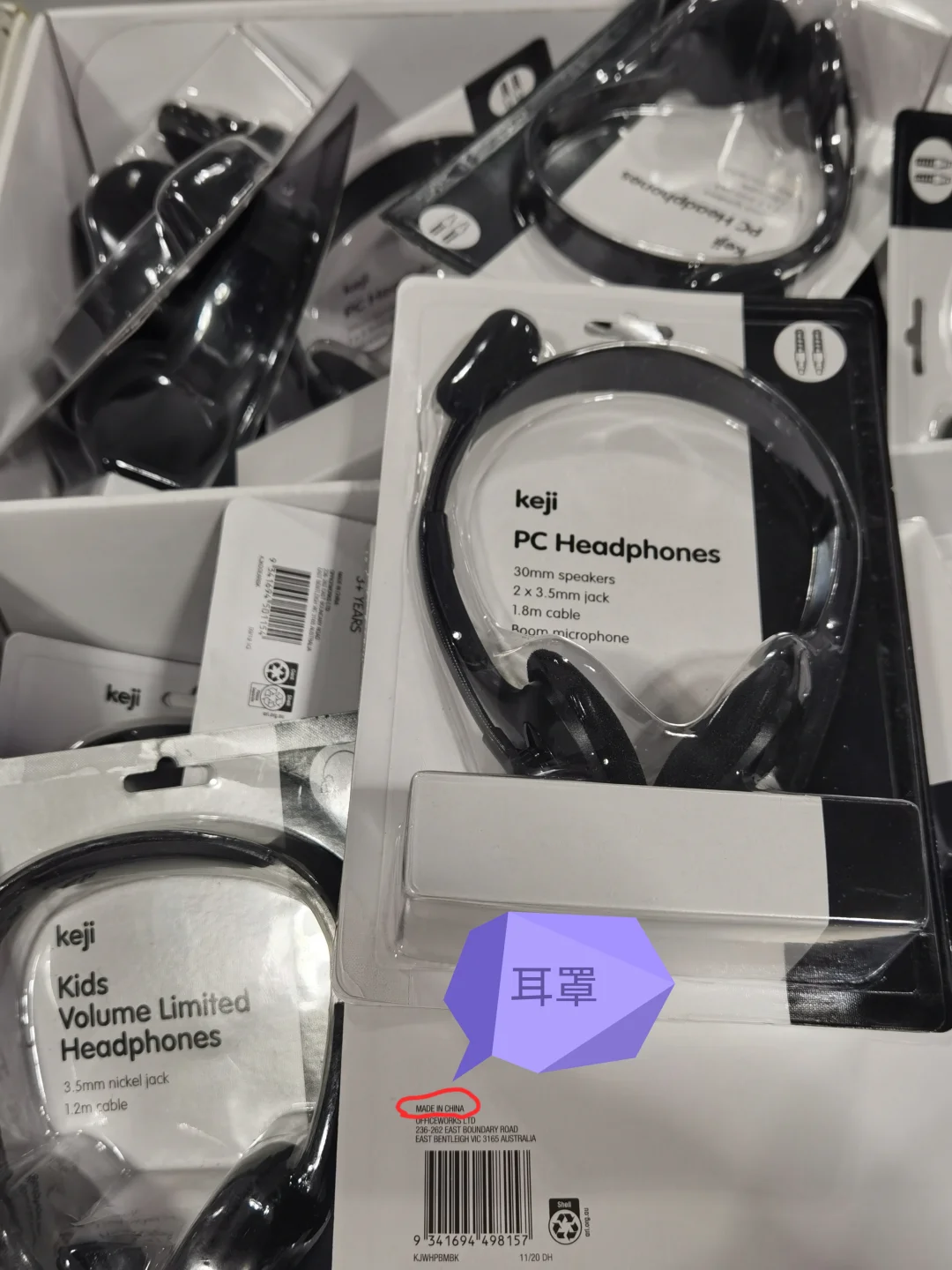
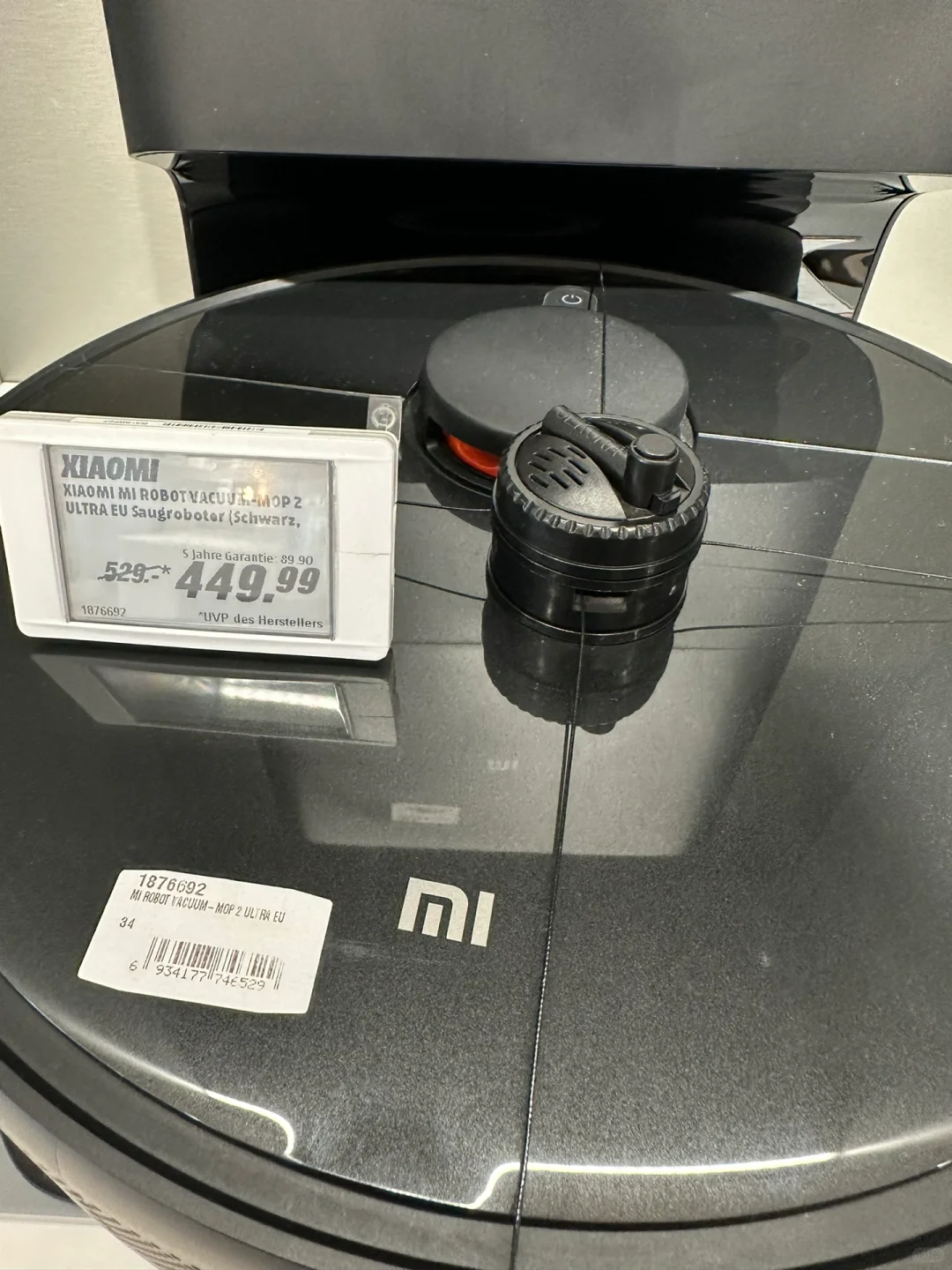
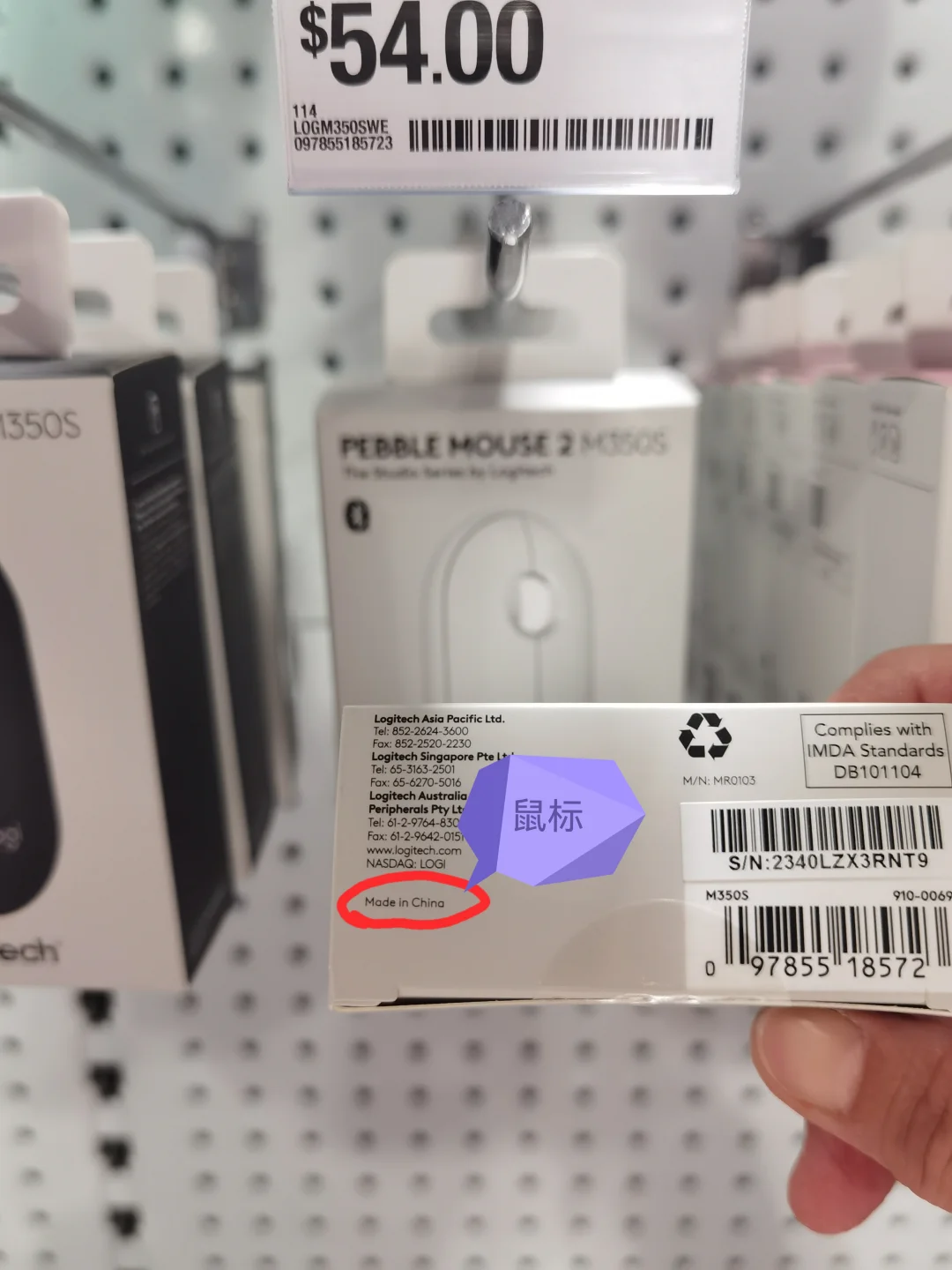
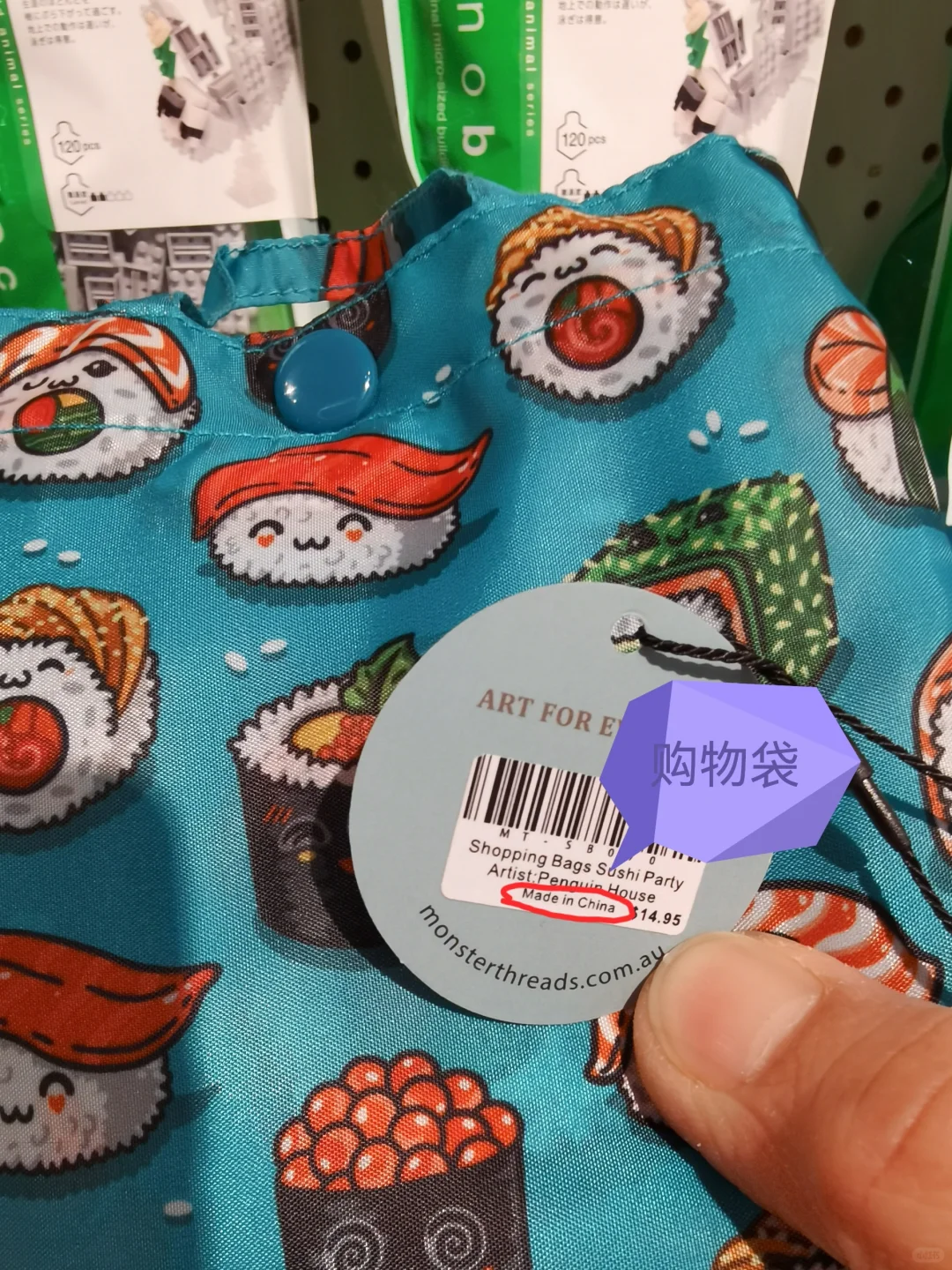
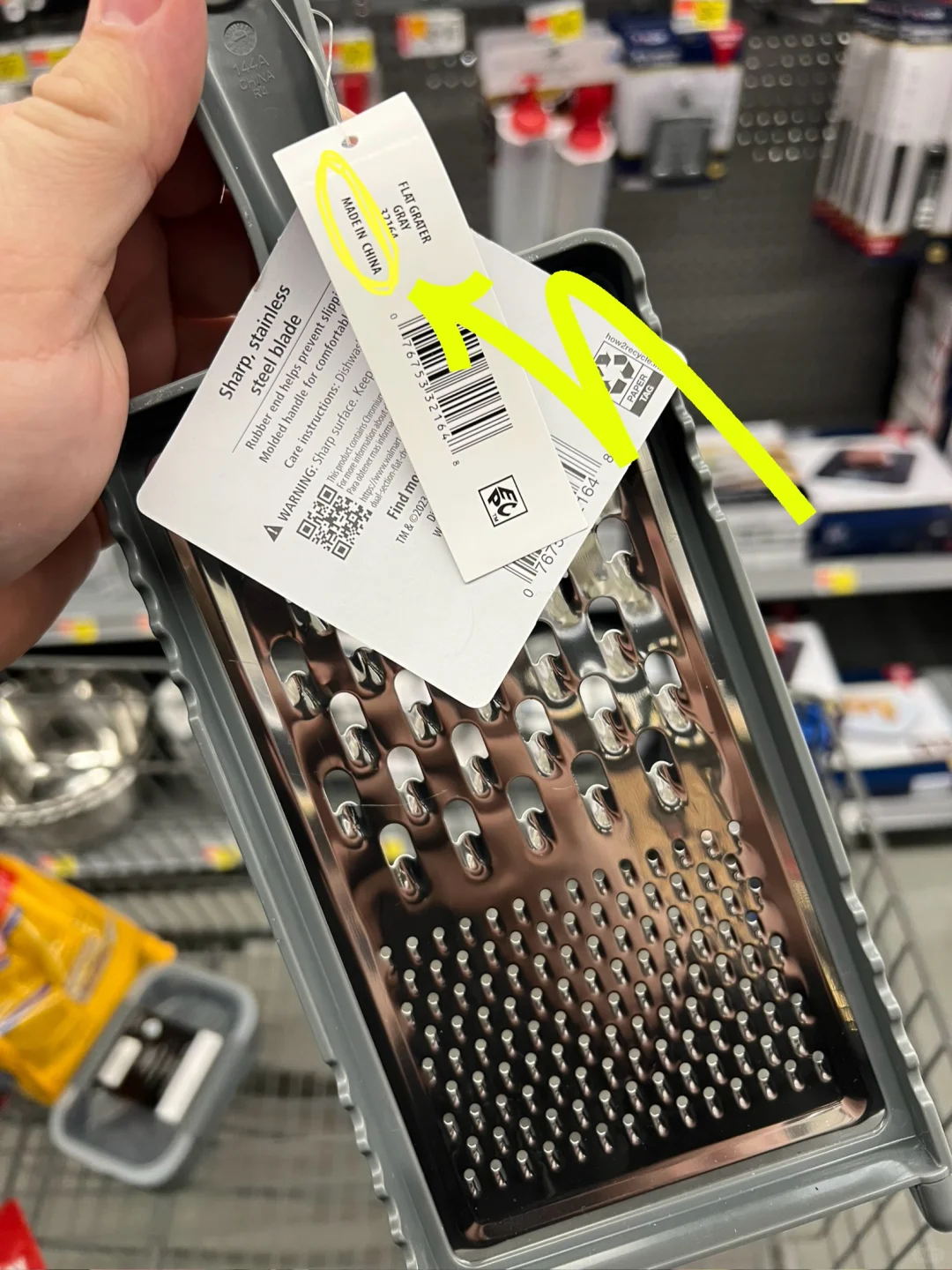
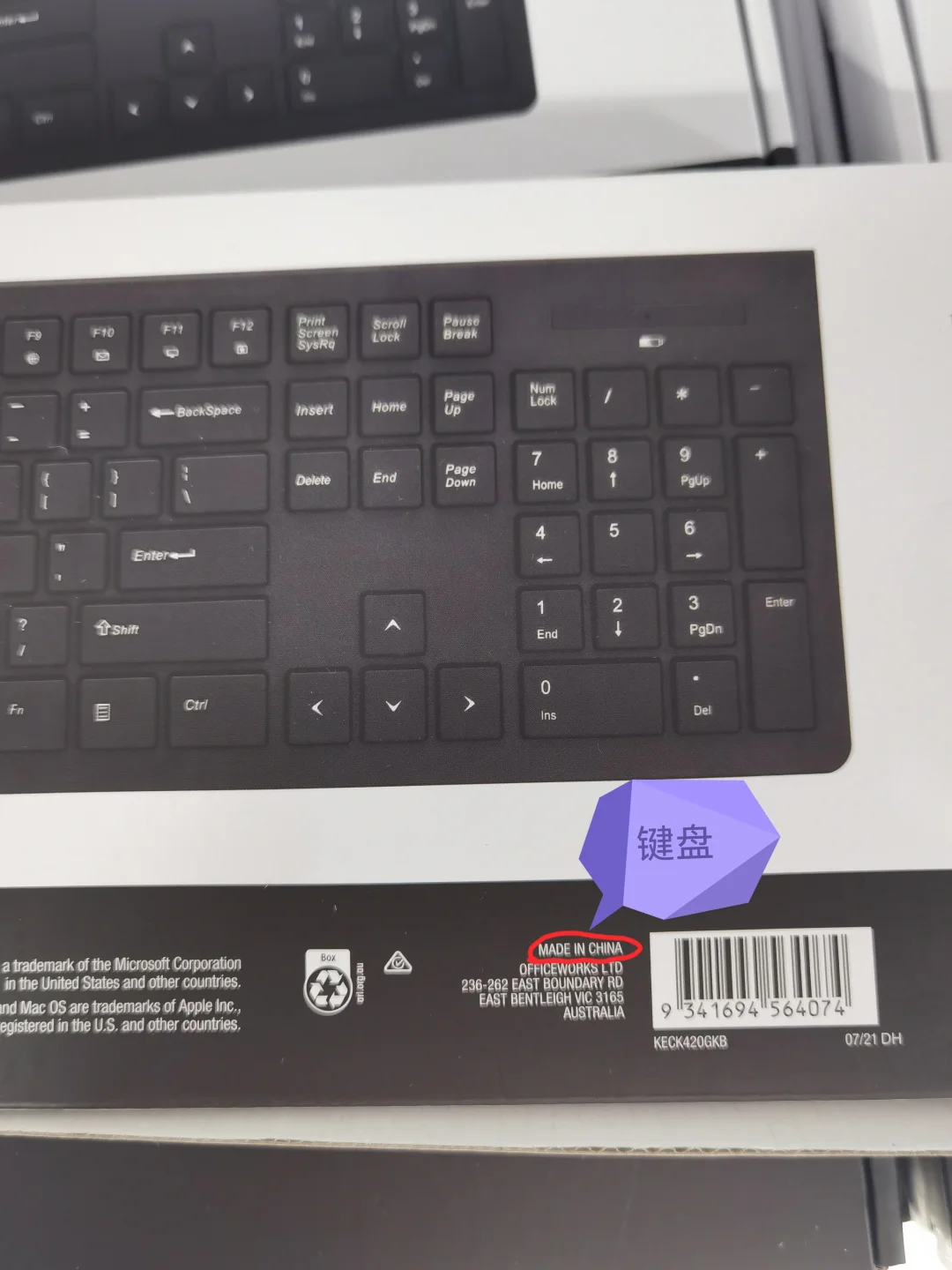
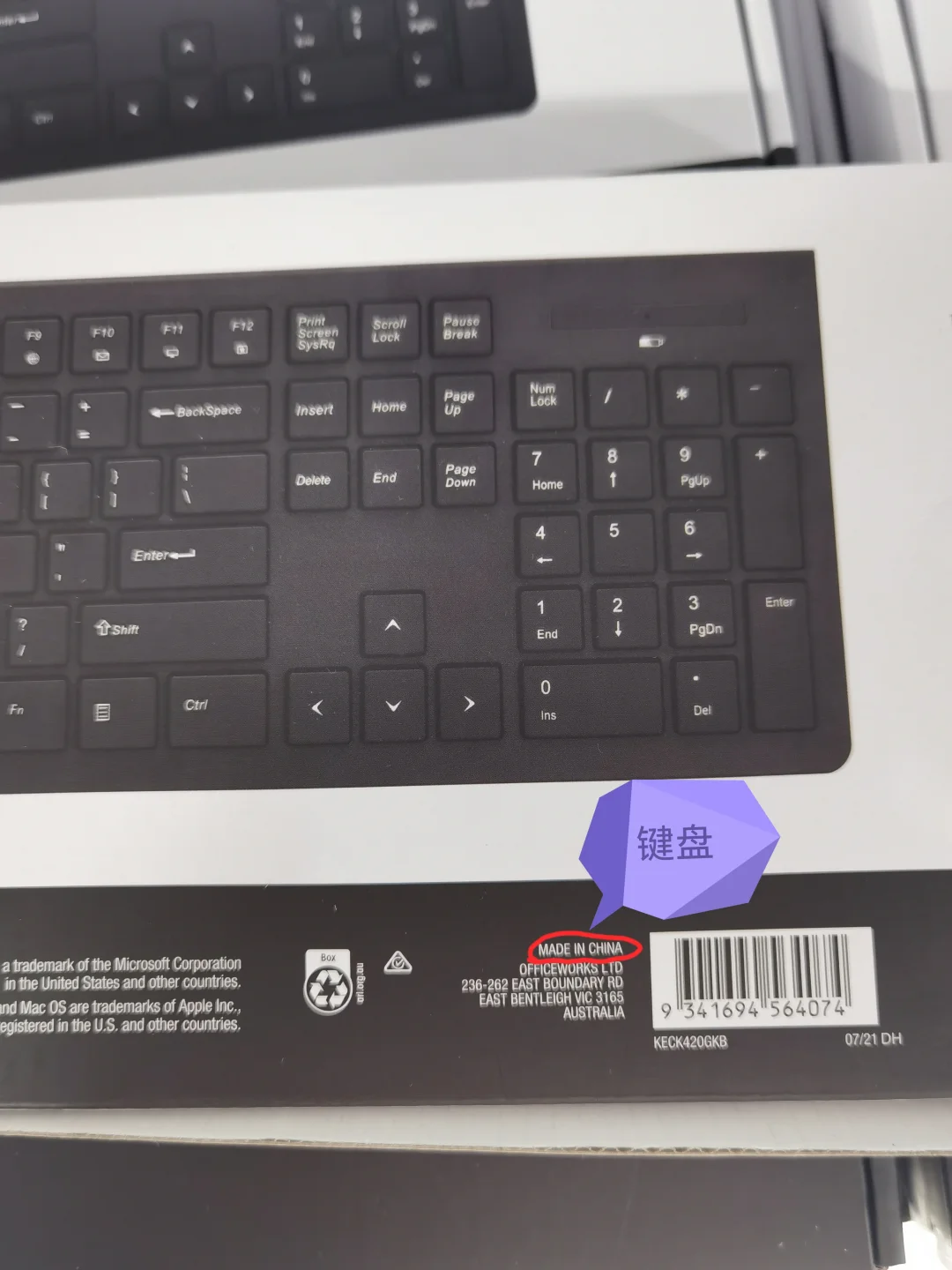
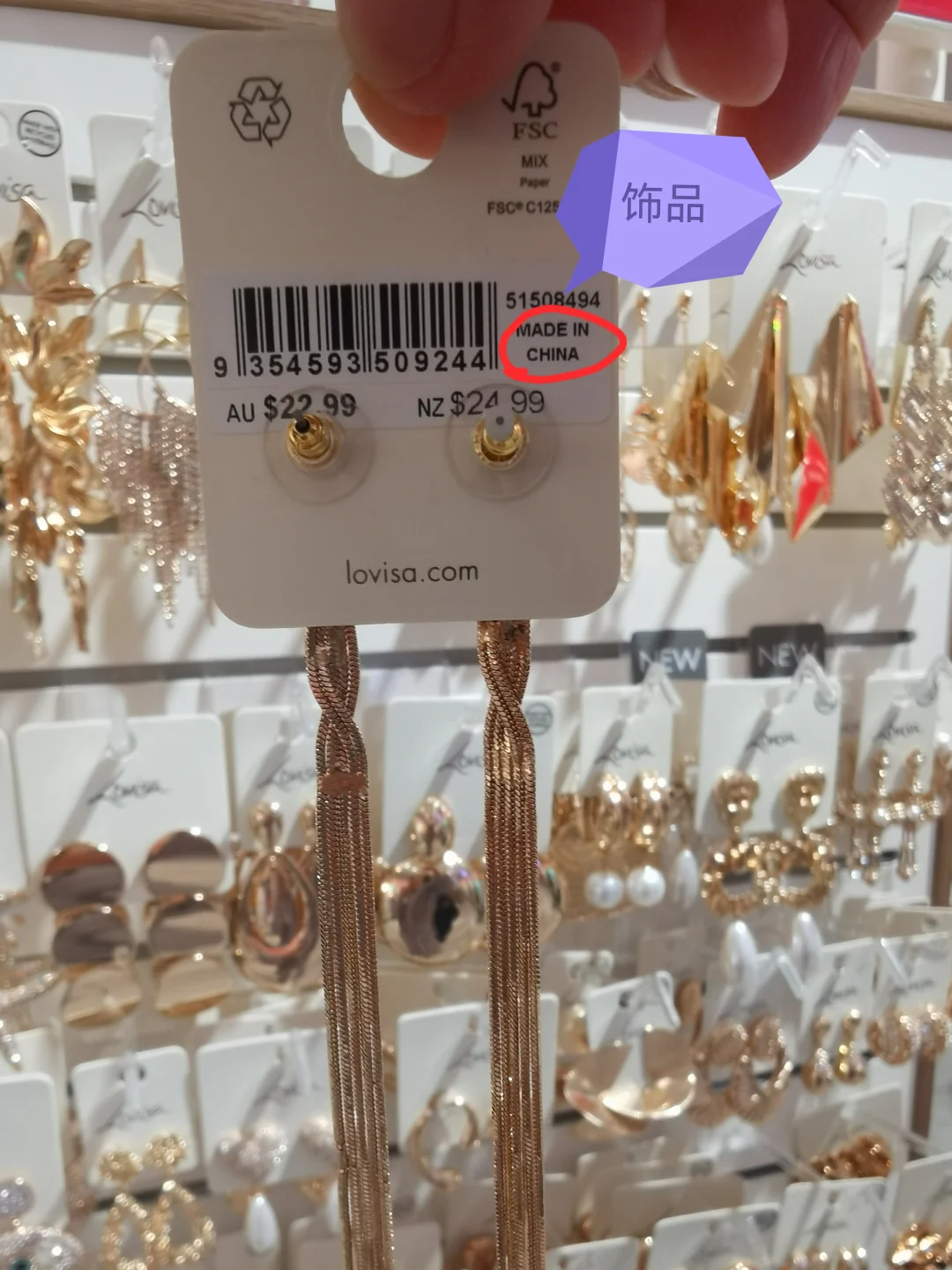
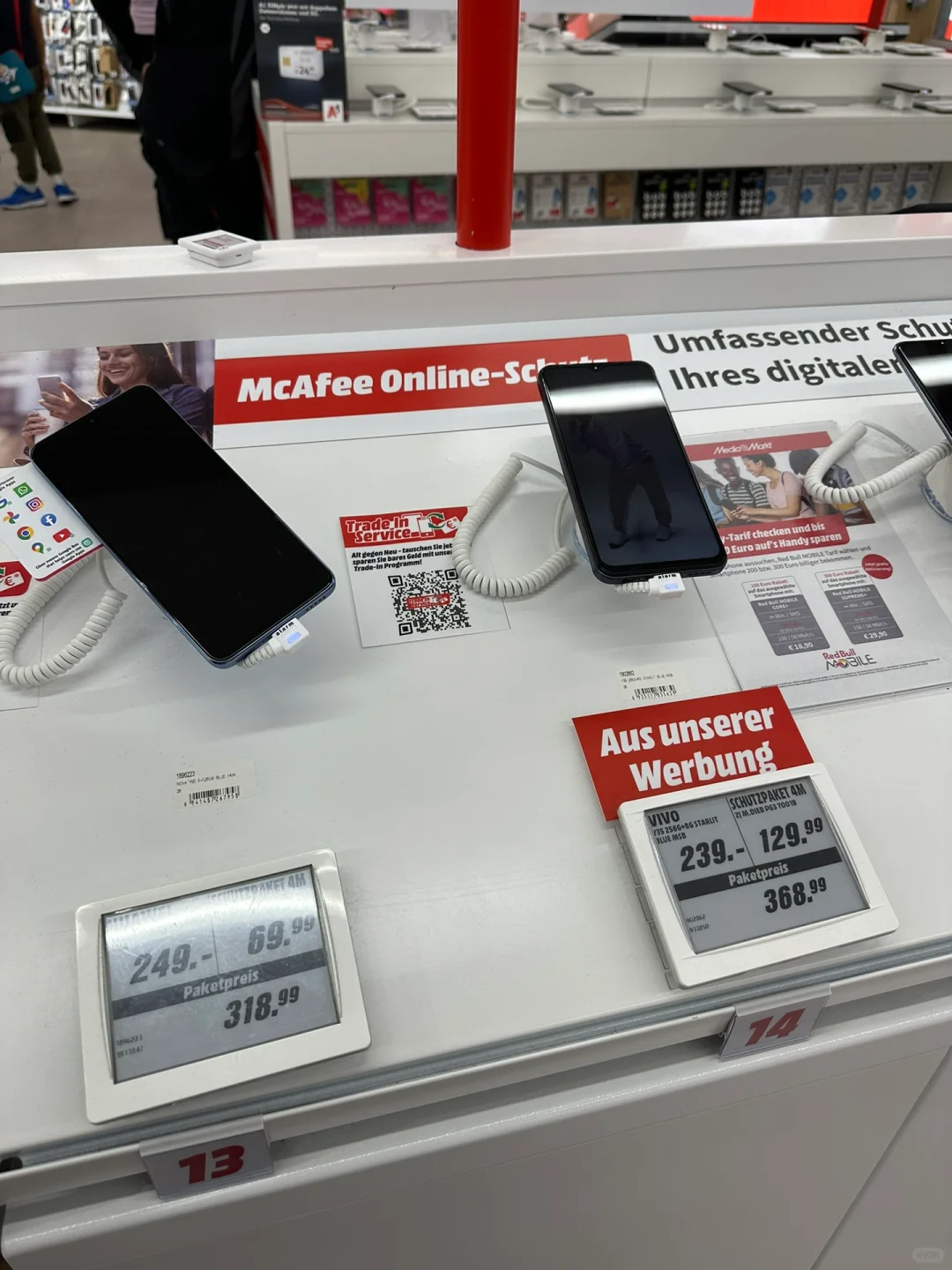
The reasons behind the popularity of Chinese products are multi - faceted. Firstly, with the development of China's industrial Internet and the continuous improvement of the manufacturing supply chain, the quality, technological innovation, and design level of Chinese products have made remarkable progress, and their high - tech content has been on the rise. Secondly, Chinese goods often offer a high cost - performance ratio, meeting the pursuit of cost - effective products by overseas consumers. Additionally, social platforms like TikTok and Instagram, as well as the rise of "China Travel," have enhanced the overseas users' experience and awareness of Chinese products.
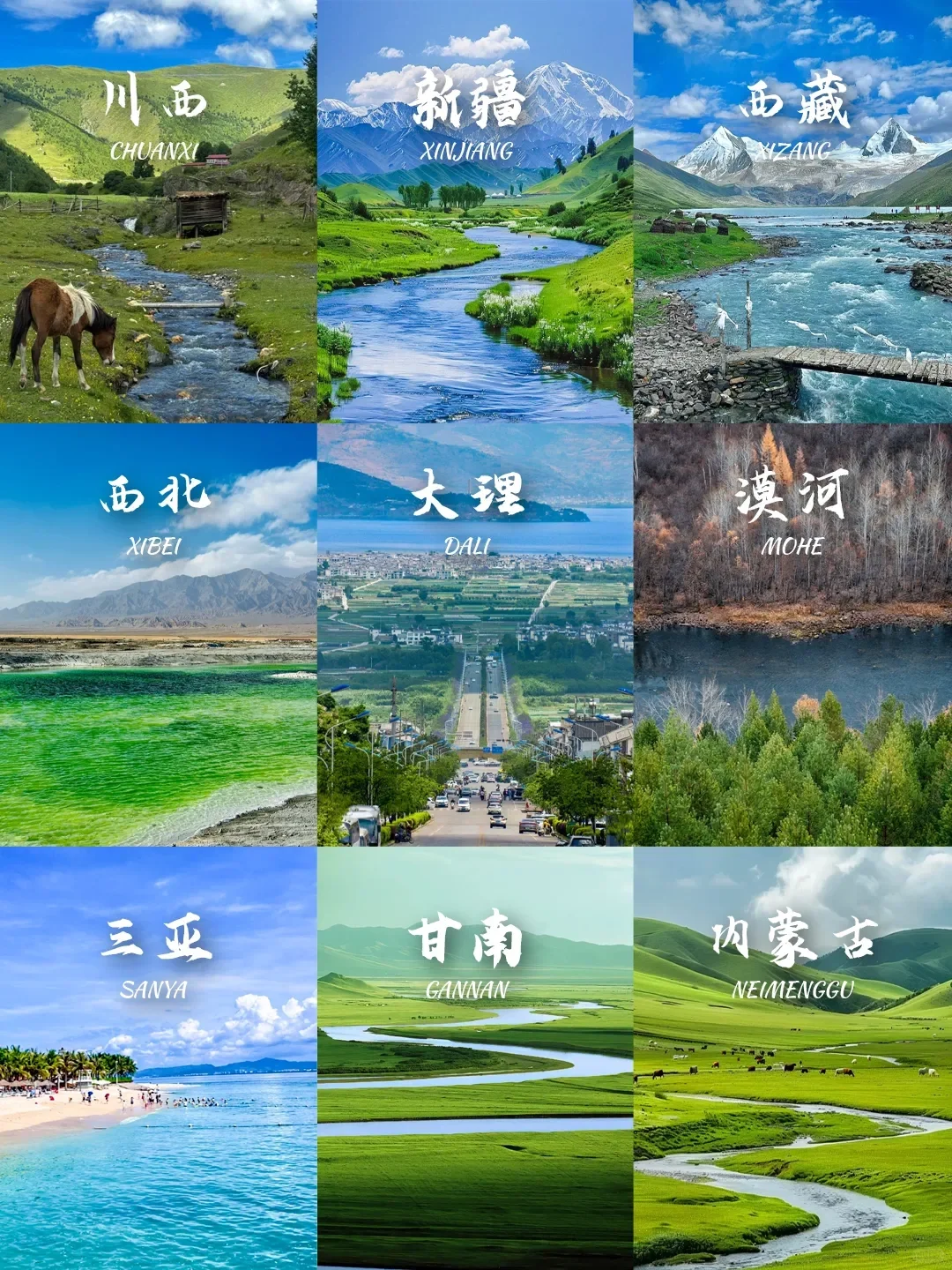
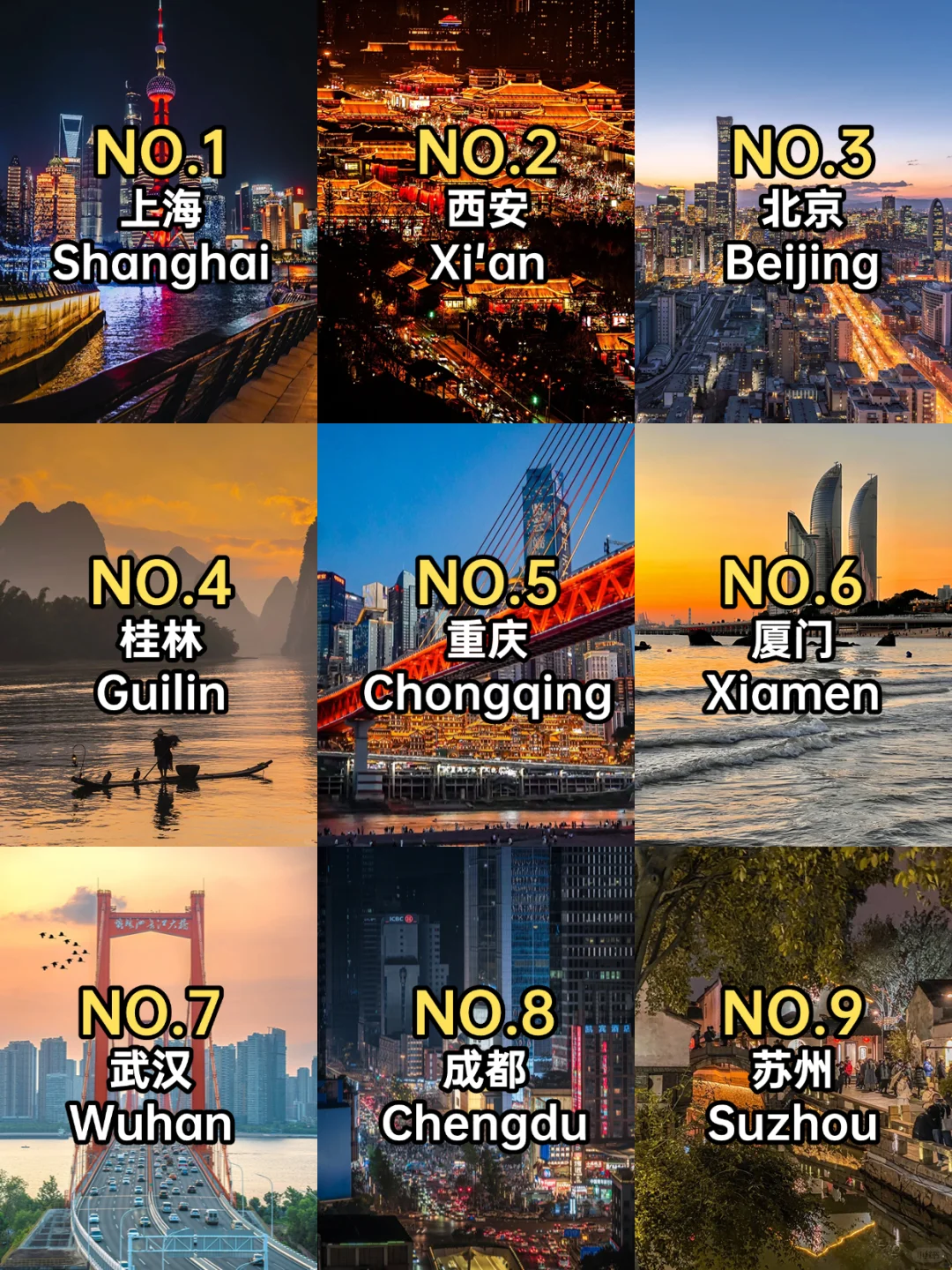




The tariff hike by the Trump administration is bound to have an impact on the international trade of Chinese products. Since the main products imported by the US from China are items that consumers often buy, such as smartphones, computers, game consoles, furniture, toys, and clothing, if a 54% tariff is imposed on these items, American consumers will quickly feel the price increase. This may lead to a short - term decline in the demand for Chinese products in the US market as consumers may turn to relatively cheaper substitutes from other countries.
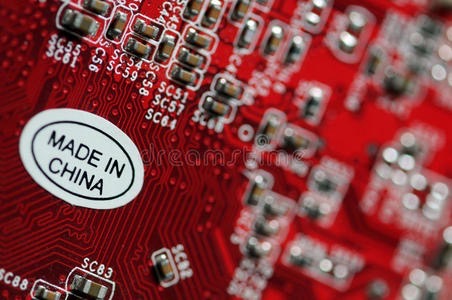
However, it's important to note that China has a wide range of other export markets. Even if the US market closes its doors to some extent, Chinese products can still find demand in other regions. Moreover, in most of China's major imported product categories, except for aircraft engines and to some extent soybeans, the US is only a relatively small supplier. In contrast, in the US commodity imports, China often accounts for a large proportion, making it
Some American consumers, worried about price surges due to tariffs, have already started stockpiling. For example, many have rushed to buy Chinese - made televisions. A 50 - year - old American named Pegro was almost unable to purchase his favorite Chinese - made TV. After the news of the tariffs broke, he spent about $3000 on various products including electronics, car parts, gardening equipment, and other household items from the evening of the 2nd to the morning of the 3rd. Such panic - buying behavior indicates that in the short term, consumers may try to maintain their consumption of Chinese products by stocking up.
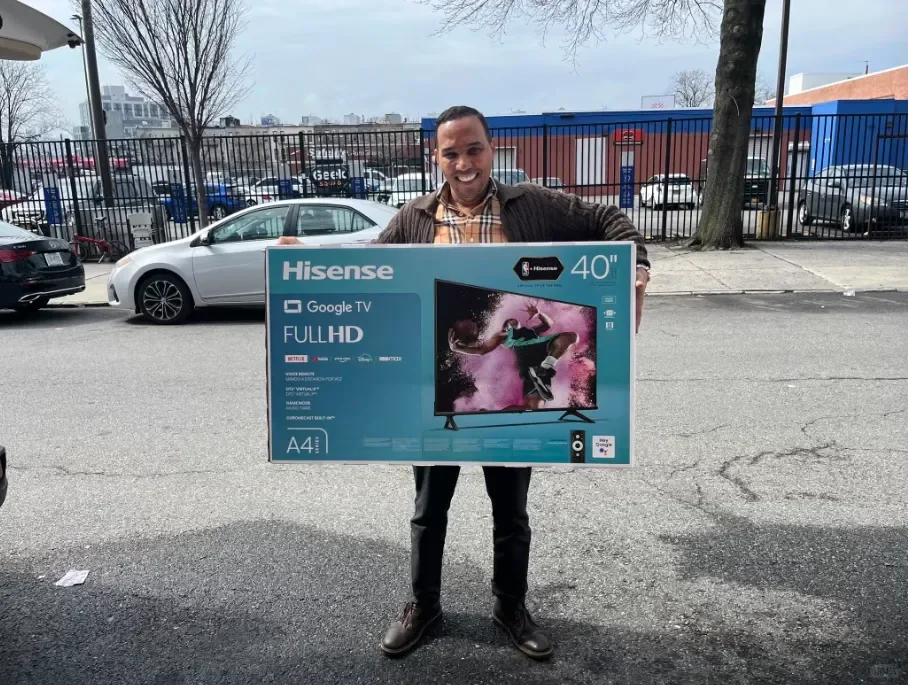
In the long run, the impact on consumer behavior depends on various factors. If the price increase of Chinese products after the tariff is not significant compared to other alternatives, and considering the quality and features that Chinese products offer, consumers may still choose Chinese products. On the other hand, if the price - performance ratio of Chinese products is greatly affected, consumers may gradually shift their consumption to other products.
Although Trump's tariff hike has brought uncertainties to the international trade of Chinese products, it does not necessarily mean that foreigners will stop buying Chinese products. The high - quality, cost - effective, and diverse features of Chinese products have established a solid user base and market share overseas. While the US market may experience some fluctuations in the short term, the global market's demand for Chinese products will still exist. China can also further explore other international markets, strengthen product innovation and quality improvement, and actively respond to the challenges brought about by tariffs to maintain and expand the international market share of Chinese products. As the global economic situation continues to evolve, only time will tell how the demand for Chinese products in the international market will ultimately change.
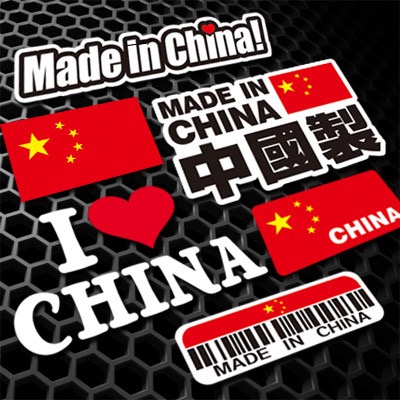
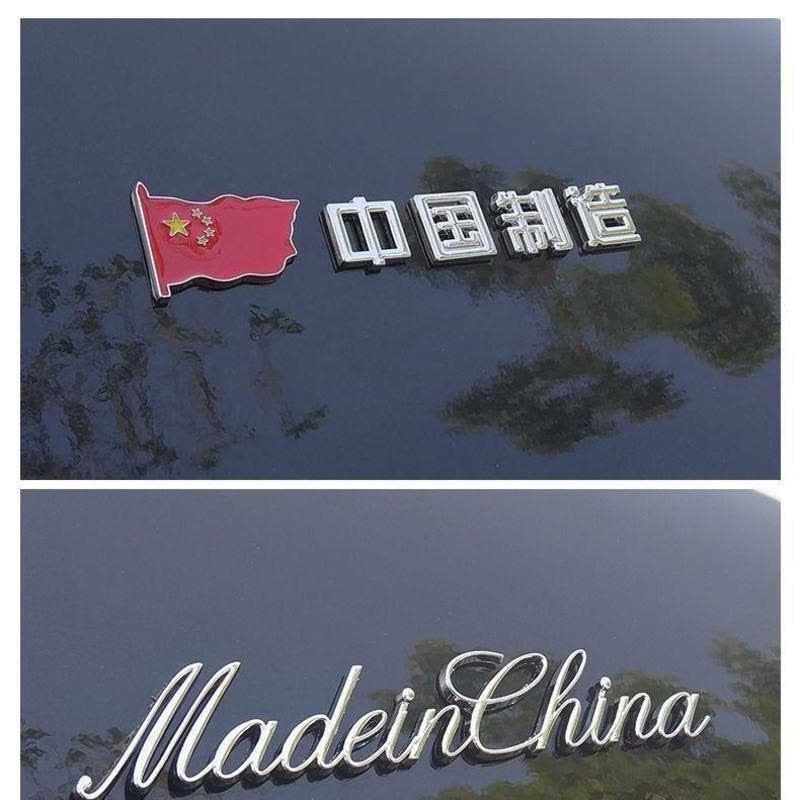
So, will you continue to purchase from us made in China?
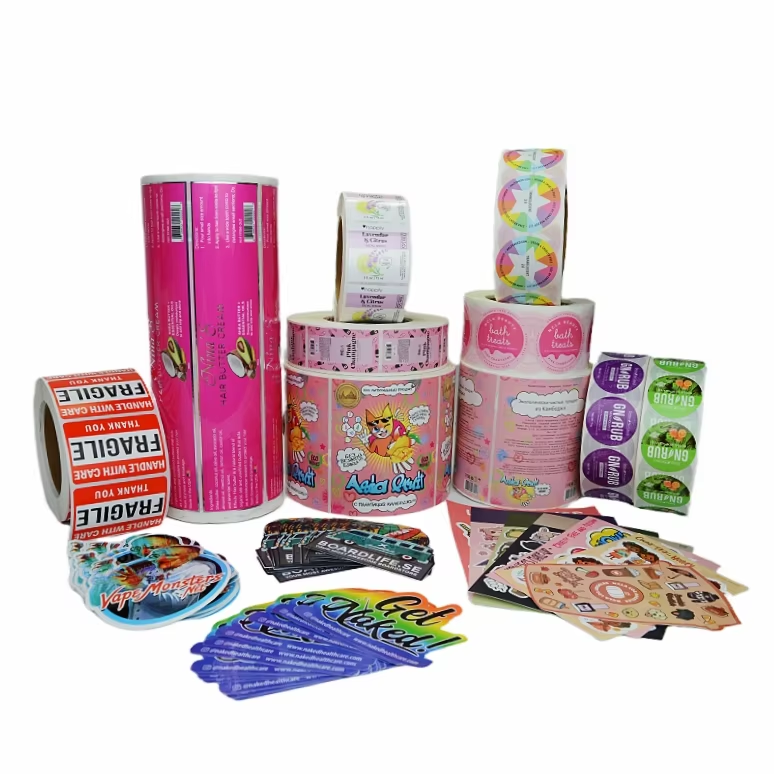
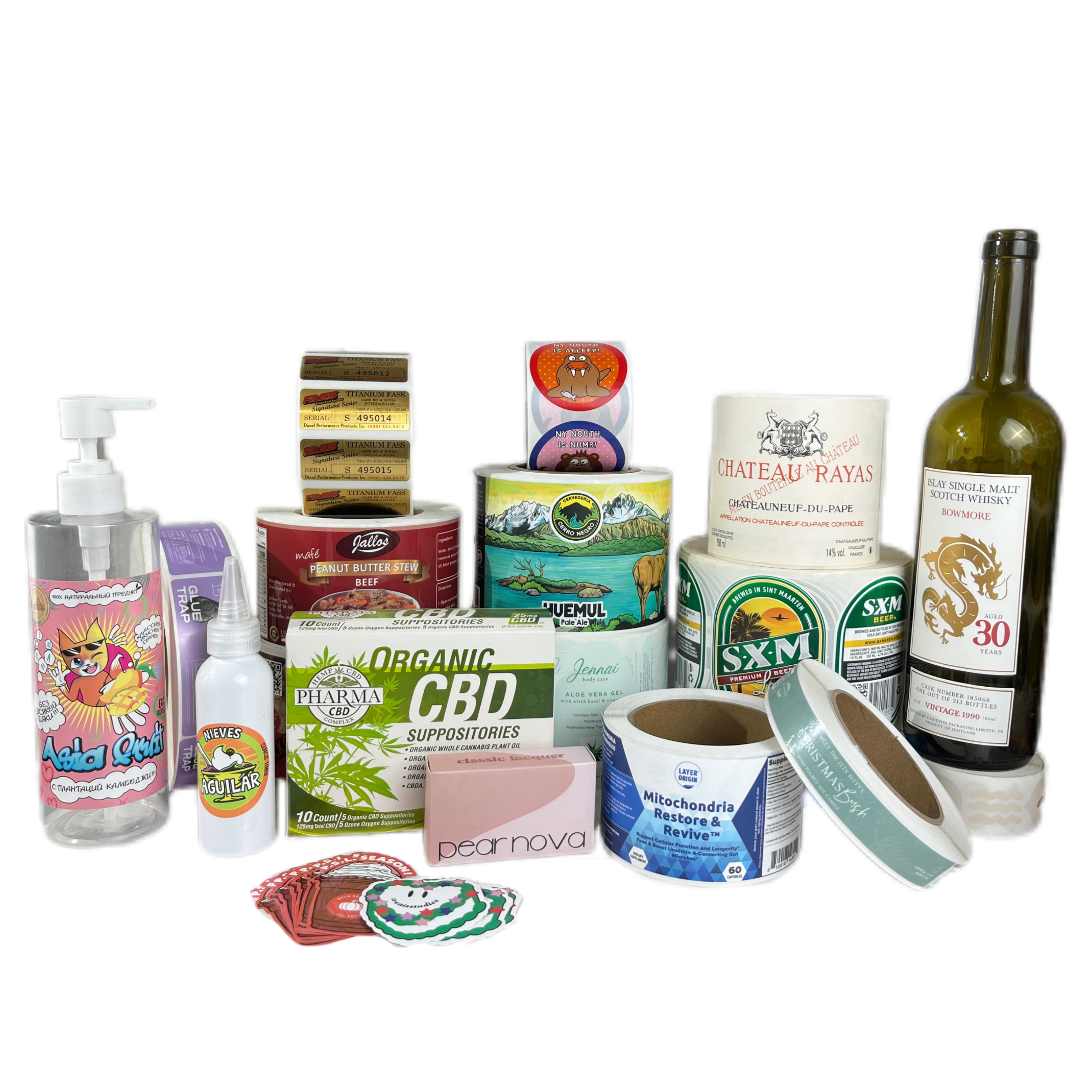
We are a company specializing in self-adhesive stickers, mainly producing beverage labels, Cosmetic labels , Commodity labels , Food labels , Logistics labels ,Wine Bottle Label, QR code labels, Transferable labels,etc.
If you want to customize stickers, please feel free to contact us!

With well-equipped testing equipment and strong technical force, we have several inward rotogravure printing machines and fully automatic label printing machines.
Copyright © 2026 Shanghai Pure-easy Label Printing Co., Ltd. - All Rights Reserved.