Professional Custom Stickers Printing Manufacturer Since 2005
Language
Professional Custom Stickers Printing Manufacturer Since 2005
Pursuing beauty is a human instinct, and more and more people achieve their pursuit and love for beauty by pursuing the delicacy of their makeup. Cosmetics play an indispensable role in this pursuit. In addition to the effectiveness of use, the beautiful packaging of cosmetics is also one of the important factors that attract consumers.
With economic growth, changes in packaging concepts, and technological innovations, labels, as an important component of product packaging, are crucial for the cosmetics industry. Plays an important role in advertising and product description, and is also an important way for consumers to identify product brands and features. It is essential to stand out among numerous competitors by selecting appropriate materials and designing beautifully crafted labels. Good labels can increase product appeal and boost business sales, helping consumers identify and choose their favorite products more easily.
Today, we will introduce the application of labels in the cosmetics industry and see how exquisite labels can attract consumers' attention among a variety of products.
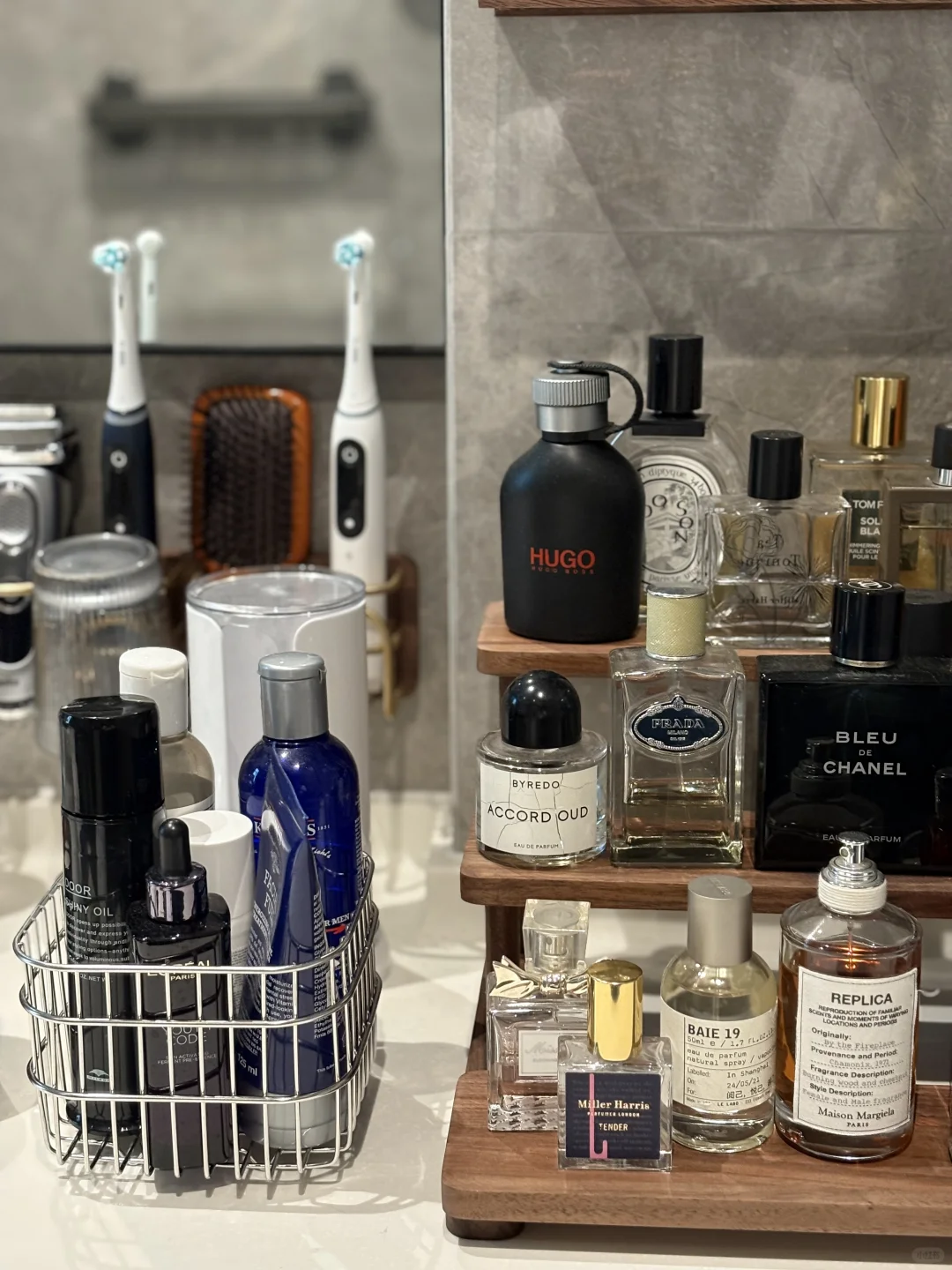
Writing paper stickers are a common type of label used in cosmetics. It has the characteristics of simple printing process and clear color rendering, and is deeply loved by a large number of cosmetics manufacturers. The adhesive labels made of matte material also have a unique matte texture, which not only enhances the aesthetic appearance of cosmetics, but also brings consumers a high-end sensory experience.
Since the writing paper adhesive is easy to be damaged when it meets with water and grease, which affects the use effect, it is usually used for products used in dry environments, such as liquid foundation on the dresser, eye shadow plate, etc. These are common application scenarios of writing paper adhesive.
The usage of copperplate paper adhesive and writing paper adhesive is similar. But the difference lies in the smooth surface, high whiteness, good ink performance, and excellent printing effect of copperplate paper adhesive. Compared to writing paper, copperplate paper has a wider range of applications, such as high-end picture books, exquisite product advertisements, and trademarks.
However, like writing paper stickers, copperplate paper has poor waterproof and oil resistant performance, so it is mainly suitable for indoor dry environments. Coated paper stickers are often used for face cream, makeup remover and other products. However, with the increasing maturity of the label industry, the birth of laminating technology has solved this pain point. The coated copperplate paper adhesive has certain waterproof, oil resistant, and scratch resistant properties. Even in environments with high humidity such as bathrooms, products such as body lotion and water-based lotion with coated copperplate paper adhesive still do not affect basic use after being dampened by moisture.
Synthetic paper adhesive achieves better comprehensive performance than writing paper adhesive and copperplate paper adhesive. A composite material composed of paper and film, which has good waterproof and grease resistant properties, as well as certain toughness and is not easy to tear. When using this material for printing and labeling, it can perfectly display the color effect of the label.
However, if this material is exposed to moisture or high oil pollution for a long time, water and oil will slowly penetrate into the surface material, causing deformation of the label and affecting its presentation effect. Therefore, this type of label is more suitable for damp scenes and can maintain the display effect of printed content for a period of time. That's why, for example, bathroom care cosmetics often use this label.
BOPP film adhesive is a transparent film material that can highly restore the appearance and texture of cosmetics. By highlighting the unique features of the product itself, attracting customers' attention, and using well-designed packaging to further deepen customers' impression.
In addition, BOPP film adhesive has excellent waterproof and grease resistant properties. With a dedicated waterproof glue solution, even in humid environments such as bathrooms, it can ensure that the product is displayed beautifully as new. Therefore, it is widely used in hair care essential oils, hair conditioners, and other products.
The surface material of pearl film adhesive presents a faint pearl luster effect, with superior color and texture. The use of overlay film can maximize the brightness of label colors, while matte film can ensure the visual effect of the product while providing a premium texture experience, significantly enhancing the overall visual effect of the product. In addition, the pearl film adhesive has excellent waterproof, oil resistant, and scratch resistant properties, and neither water droplets nor grease will affect the use of the label. In humid environments such as bathrooms, it is possible to ensure the integrity of label content and maintain exquisite printing effects at all times. Therefore, whether the facial cleanser is used in the bathroom or the essence liquid is used in the bedroom, the pearlescent film adhesive will be preferred.
For some cosmetic labels with special design effects, conventional printing processes are no longer sufficient, so special materials are needed to achieve them. For example, aluminum foil material is coated with a layer of aluminum foil on the surface of ordinary paper to present a metallic luster, thereby achieving a strong metallic texture effect, and the brightness of its metallic luster far exceeds that of general printing processes. In addition, in order to present a spotlighting effect similar to that of a cat eye gemstone, a special cat eye film material is needed to achieve this effect.
Therefore, special materials can meet the requirements for different design effects, which are produced to match the design effects of cosmetic labels. These effects are usually not achievable by traditional printing processes.
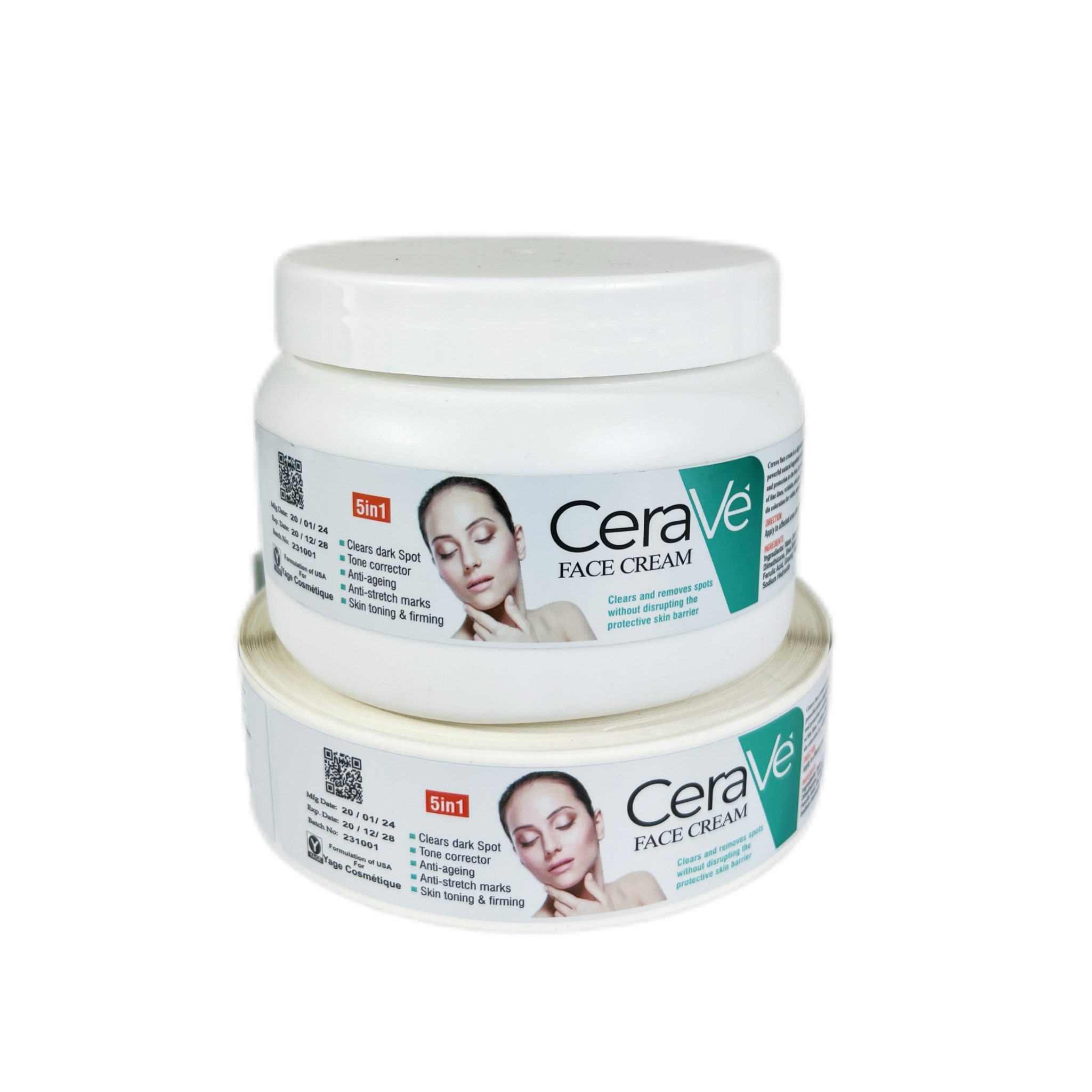
As the field with the most diverse design effects and widely used printing technology among all label application areas, cosmetic labels almost integrate all printing methods and processes. Cosmetic labels can be said to be the culmination of printing technology. In addition to introducing general printing effects, there are also some special printing techniques.
Cosmetics are often associated with various fragrances, and when these dazzling products are displayed on supermarket shelves, we often find it difficult to decide which fragrance is more suitable for us. Opening the bottle to smell is certainly not allowed. Therefore, in order to convey the information of taste to consumers, fragrance labels have emerged. The so-called fragrance label does not mean that the label itself can emit fragrance, but rather carries fragrance through the ink used in printing. Ink contains many microcapsules that store fragrance. After label printing is completed, when we rub the surface of the label with our hands, the microcapsules rupture and release the fragrance. Cosmetics manufacturers can collaborate with ink manufacturers to produce microcapsules that match the fragrance of their products in advance, and then incorporate them into the ink used for printing. In this way, the printed label only requires consumers to rub their hands and smell the fragrance of the cosmetics, thus accurately choosing the cosmetics they like.
The temperature change effect label, as the name suggests, refers to the color change on the label caused by temperature changes. Printing labels with temperature sensitive ink can present a magical effect. Temperature changing ink is divided into reversible and irreversible types, and reversible temperature changing ink is usually used on cosmetic labels. The performance of temperature sensitive ink is diverse, such as printing flower patterns on labels that have not yet bloomed. When the temperature rises, the flowers on the label will bloom.
The principle of thermochromic ink is to print two types of thermochromic ink on the label at the same time, corresponding to the unopened and bloomed patterns, with different color changing temperatures for these two inks. At lower temperatures, ink from unopened flowers appears colored, while ink from blooming flowers appears colorless; When the temperature rises, the ink of unopened flowers becomes colorless, while the ink of bloomed flowers becomes colored. Therefore, what we see at low temperatures are unopened patterns, while at high temperatures, unopened patterns become colorless, while bloomed patterns display color. This magical color changing effect often catches people's attention, resulting in a good shelf effect.
Luminous effect labels refer to cosmetic labels printed with luminous ink containing fluorescent powder. After absorbing sunlight during the day, these labels will emit light when placed in a dark environment. The luminous effect is usually used to print some special informative text or glowing color blocks, making it easy for consumers to find the cosmetics they need even in dark environments.
Some cosmetics use invisible ink to print some patterns in label printing for anti-counterfeiting purposes. This ink itself is colorless, but it will show color under fluorescent light, which can have a certain anti-counterfeiting effect. These special printing processes make cosmetic labels more attractive in design, meeting consumers' higher demands for cosmetics.
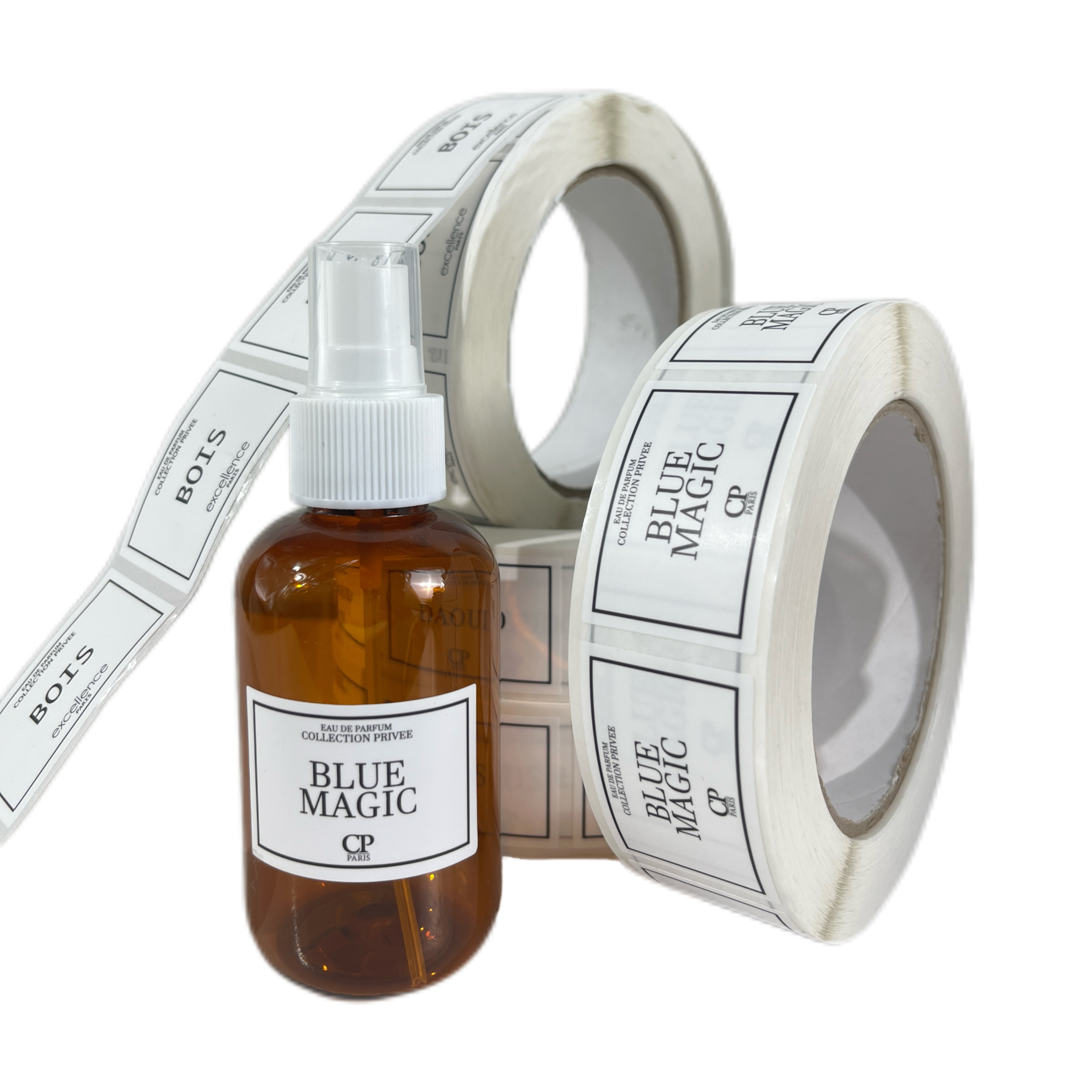
Nowadays, printing technology is constantly innovating, but some common printing techniques still dominate.
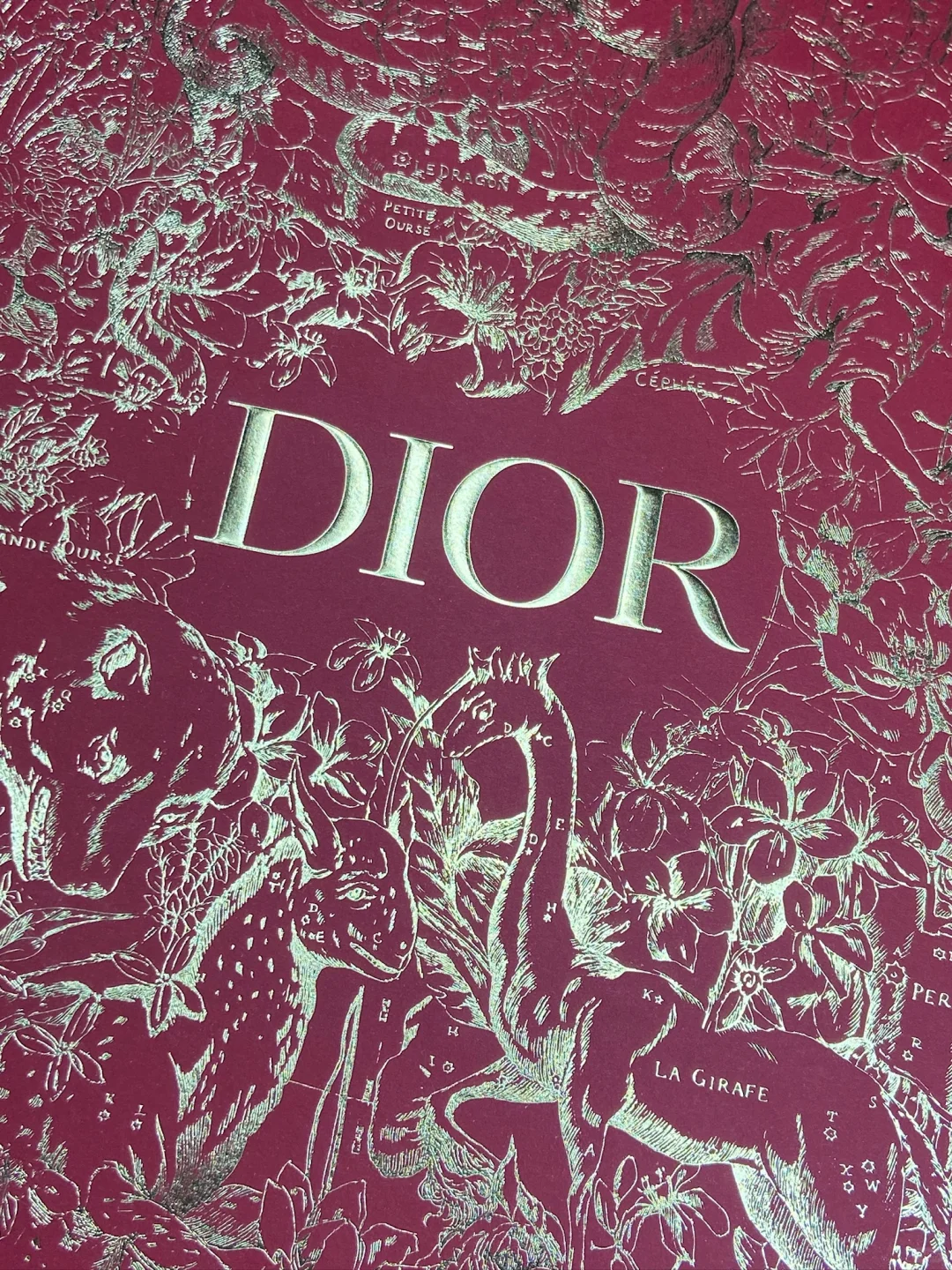
High quality hot stamping plates are a key factor in ensuring the quality of hot stamping. As a surface decoration, hot stamping has the advantages of delicate and solid imprints, good metallic texture, strong covering power, and relief effect. By heating and pressing gold foil onto paper, a bright metallic luster can be achieved at a relatively low cost. The pattern printed by hot stamping is clear, beautiful, with bright and attractive colors, and it is wear-resistant and weather resistant. The use of hot stamping on cosmetics trademarks and registered names can significantly enhance visual effects.
Screen printing belongs to stencil printing technology. During printing, ink is transferred from the holes of the printing plate to the substrate through a certain pressure, forming an image or text. Screen printing is not limited by the size and shape of the substrate, making plate making convenient and cost-effective. It has a thick ink layer, rich layers of graphics and text, and a three-dimensional effect, making it suitable for a wide range of printing materials. Using UV screen ink to print matte, refractive, ice flower, and wrinkle effects on cosmetic packaging paper boxes can greatly stimulate consumers' desire to purchase.
Offset printing is a flat printing method that uses rubber (blanket) to transfer the graphics and text on the printing plate to the substrate. It has a fast printing speed, relatively stable printing quality, and a short overall printing cycle. The printed graphic and non graphic parts are basically offset printing, which is a flat printing method that transfers the graphic and non graphic parts on the printing plate to the substrate through rubber (blanket). It has the advantages of fast printing speed, relatively stable printing quality, and short overall printing cycle. The graphic and non graphic parts of offset printing are basically on the same plane, and the ink thickness is relatively thin.
Under certain pressure, the use of concave convex molds can cause plastic deformation of printed substrates and perform artistic processing on the surface of printed materials. Convex printing technology is the first widely used printing process in commercial applications. In the early days, only movable type could be used to print textual information, but now image engraving plates can also be applied to letterpress printing. Embossed printed materials have a strong texture and can produce a three-dimensional relief effect, with a strong visual impact that is unforgettable. Many cosmetics companies choose to use this process effect for their logos. However, the cost of letterpress printing is relatively high, and the accuracy of metal zinc plates is limited, unable to reflect overly fine details.
The relief effect can showcase the brand's design features at different levels, making the lines softer, the layers more distinct and detailed. It has a good tactile and visual appeal, which can enhance the added value and artistic effect of the product.
6. Cat's Eye Technology
Cat eye technology is achieved by positioning and molding cat eyes on aluminum film material, combined with clever design, and through secondary printing, it can achieve a 3D visual effect for flat design products, while the labels are actually flat without any concave or convex layers. This innovation in traditional printing technology not only enhances consumers' curiosity and purchasing desire, but also greatly elevates the product's quality. The common Colgate 360 ° toothpaste on the market uses this process.
This process is low-cost, and the main principle is to mold graphics and text on transparent PET material, presenting a laser effect. Then, the molded graphics and text are transferred to a substrate such as paper through photo oil curing, and the laser pattern is refracted through optical principles. Its process is as follows: first, UV varnish is applied to the printed product, then PET film with molded graphics and text is bonded to it, cured by UV lamp irradiation, and then the PET film is recycled and rewound (can be reused 3-6 times, greatly reducing its impact on the environment). This type of product can demonstrate good laser effects without the need for aluminum plating, which not only reduces costs but also improves the quality of labels.
UV printing is a printing process that uses ink containing photosensitizers and UV curing lamps to dry and cure the ink. UV ink has been widely used in fields such as offset printing, screen printing, inkjet printing, and pad printing. In traditional printing, UV marks the process of product effect, just like printing a layer of varnish on the desired pattern, mainly to increase the brightness and artistic effect of the product, while protecting the surface of the product. It has high hardness, is wear-resistant and corrosion-resistant, and is not prone to scratches and other problems. Some laminating products now use UV printing to meet environmental requirements, but UV printed products are not easy to adhere, and some situations can only be solved by local UV or polishing.
The partial reverse polishing process and products with different combinations of varnish can produce a prominent effect of brightness and darkness, especially the golden silver part can produce the effect of sand gold and sand silver. At the same time, surfaces with irregular textures have better visual effects, with a frosted feel when touched, and can also have anti slip effects, making them particularly suitable for washing and care products.
In the design of daily chemical labels, bright light is usually used to showcase the focus and logo of the product, while the background and text function descriptions use matte effects, making the label perform well in terms of clear primary and secondary, prominent highlights, and clear hierarchy, and presenting a three-dimensional space in the graphic design. For example, the frequently seen Wave series products have effectively applied this design.
In cosmetic packaging and label design, it is crucial to perfectly integrate product positioning with materials and processes in order to showcase its charm. In the future, the cosmetics industry will require a wider variety of packaging materials and labels, as well as more diverse printing and processing techniques to showcase the charm of products.
Pure-Easy—Why choose us?One-Stop Services at Our Factory
We provide high-quality label production and relevant solutions.(like packaging and other additional production needs).We understand that our clients require seamless, end-to-end services to ensure their products are ready for the market with minimal hassle. So we offer one-stop service to meet your need(like packaging and other additional production needs).
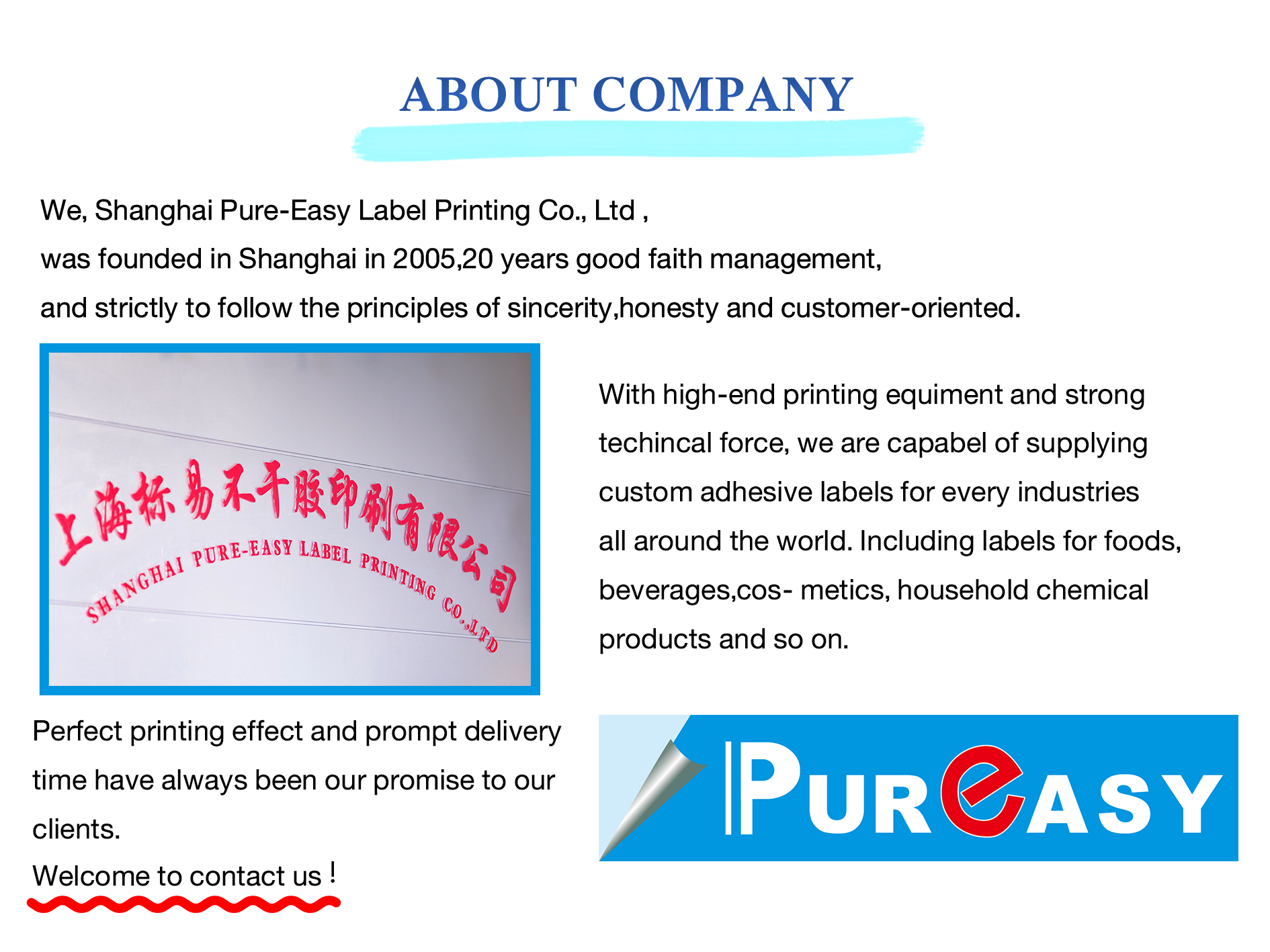

With well-equipped testing equipment and strong technical force, we have several inward rotogravure printing machines and fully automatic label printing machines.
Copyright © 2026 Shanghai Pure-easy Label Printing Co., Ltd. - All Rights Reserved.