Professional Custom Stickers Printing Manufacturer Since 2005
Language
Professional Custom Stickers Printing Manufacturer Since 2005
Traditional offset printing and digital printing are two mainstream printing technologies, each with its own advantages and disadvantages, suitable for different scenarios. The following is a comparative analysis of the two:
1. Working principle
Traditional offset printing:
Based on the principle of "oil and water are immiscible", images and text are transferred to a rubber blanket cylinder through a printing plate (PS plate), and then transferred to the substrate. It belongs to indirect printing and requires plate making and machine adjustment, suitable for large-scale production.
Digital printing:
Directly send digital files to printing equipment (such as lasers and inkjet printers) through a computer, without the need for plate making, for direct imaging and printing. Typical technologies include carbon powder (HP Indigo) or inkjet (Epson, Canon).
2. Main comparison dimensions
| Dimension | Traditional offset printing | Digital printing |
| Plate making/preparation time | Requires plate making, ink adjustment, and color calibration, with a long preparation time | No need for plate making, direct printing of documents, short preparation time |
| Initial print volume | Suitable for large quantities | Suitable for small batches |
| Cost | When the quantity is large, the unit price is low, but the initial investment is high | Low price for small batches, high unit price for large batches |
| Printing quality | High color reproduction and fine details (especially spot colors) | Close to offset printing, but slightly inferior in spot color and color gamut |
| Printing Material | Wide range of paper types, but limited thickness | Compatible with multiple materials, high flexibility |
| Personalization | Difficult to achieve variable data | Support variable data |
3. Applicable scenarios
Traditional offset printing:
Large scale standardized printing (such as books, magazines, packaging boxes).
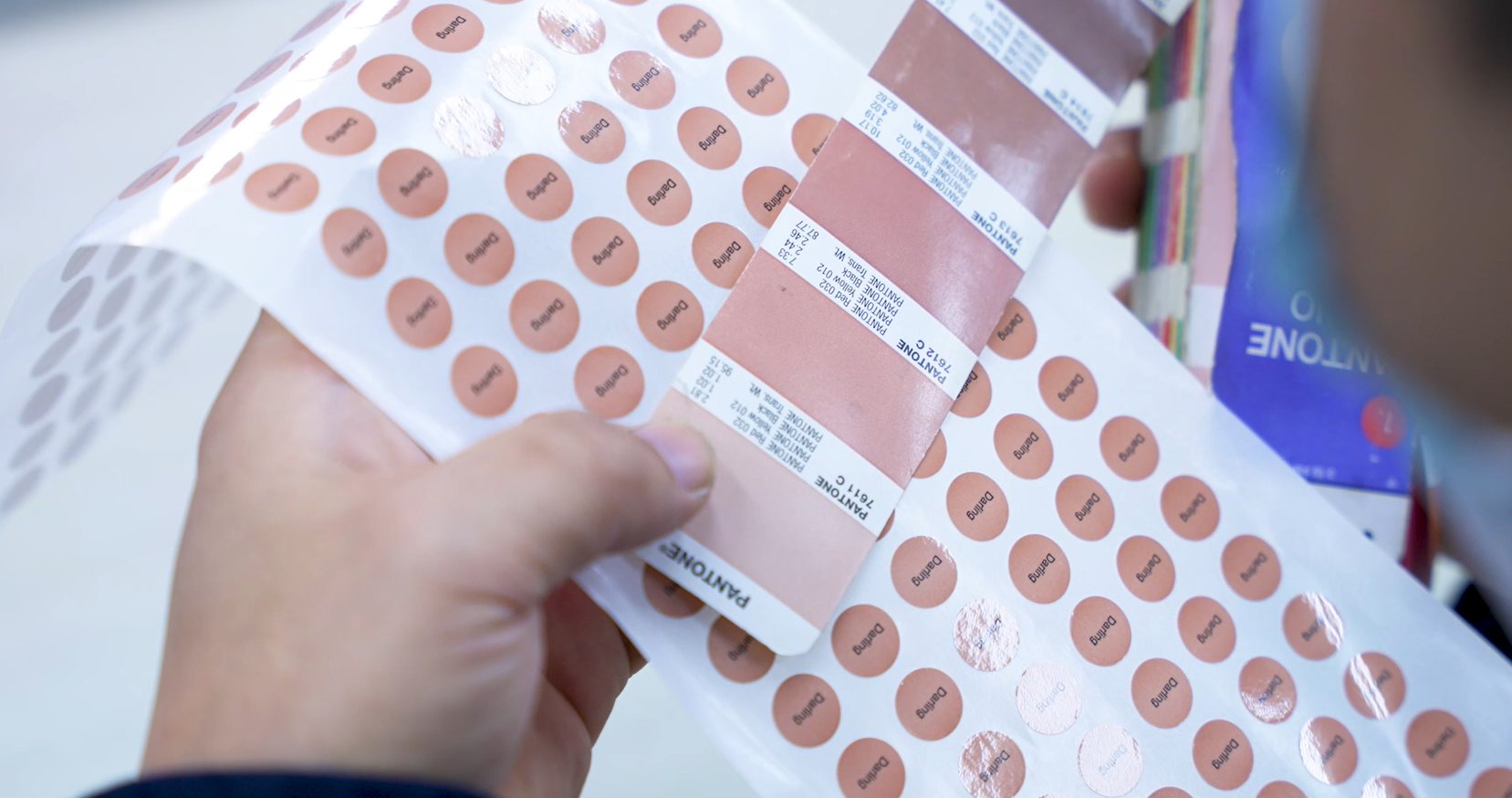
High precision color requirements (such as art albums, Pantone spot colors).
Special paper or large format printing (such as posters).
Digital printing:
Short version urgent orders (such as samples, conference materials).
Personalized customization (such as variable data tags, souvenirs).
Quick prototyping or on-demand printing (to avoid inventory waste).
4. Development Trends
The challenge of offset printing: The advancement of digital technology, such as B2 format digital printers and high-speed inkjet printers, is eroding the traditional offset printing market for short and medium editions.
Hybrid printing: Combining the advantages of both, such as offset printing to complete the base color and digital addition of variable information.
Environmental demand: Digital printing is more favored by sustainable trends due to its ability to reduce waste.
summarize
Choose offset printing: large quantity, cost sensitive, and extremely high quality requirements.
Choose numbers: small quantity, strong timeliness, and personalized needs.
Actual selection requires comprehensive consideration of cost, quality, delivery time, and material requirements.
We are a factory with 20 years of printing experience. For customized stickers, we can provide you with the best service, quality, and pricing. Of course, we also offer customized cosmetic stickers with low minimum order quantities. If you are engaged in the cosmetics industry, please feel free to contact us for sticker procurement!


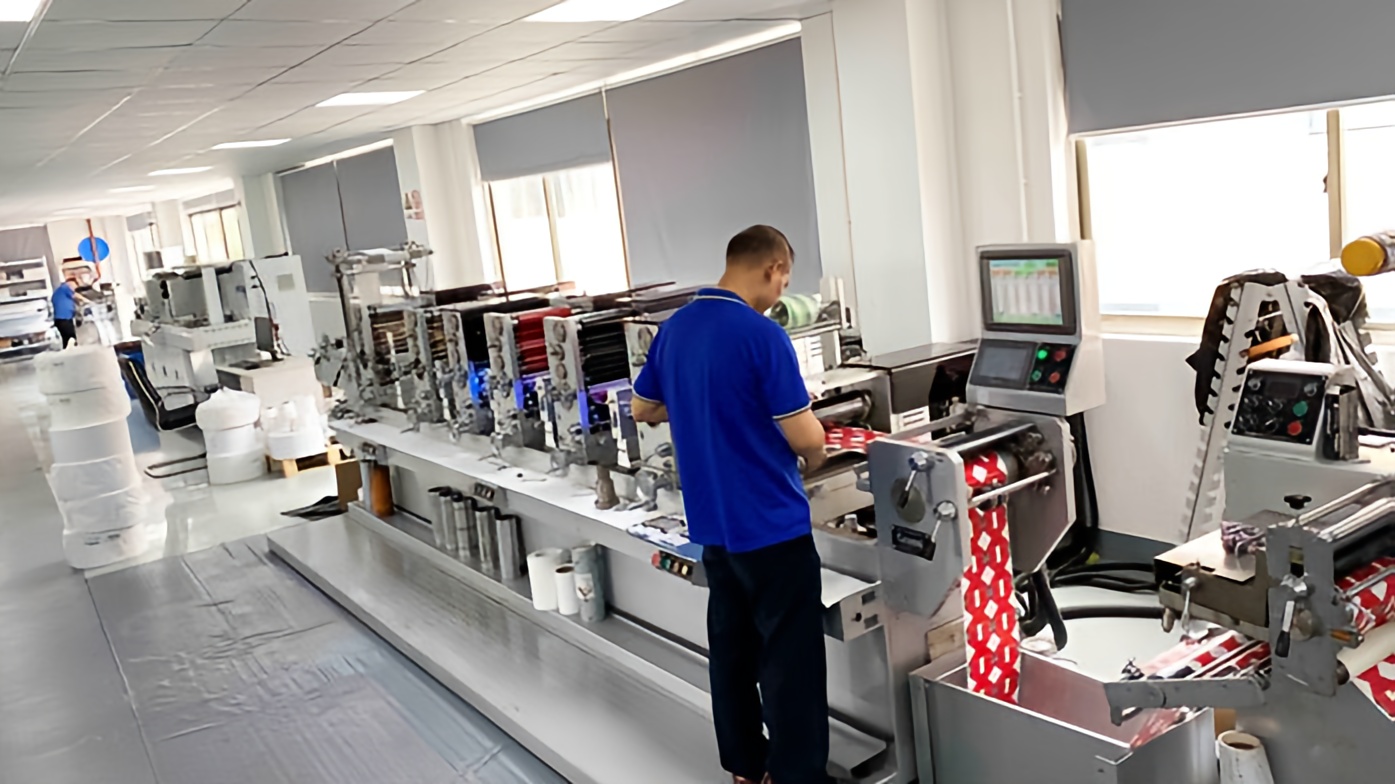
With well-equipped testing equipment and strong technical force, we have several inward rotogravure printing machines and fully automatic label printing machines.
Copyright © 2026 Shanghai Pure-easy Label Printing Co., Ltd. - All Rights Reserved.