Professional Custom Stickers Printing Manufacturer Since 2005
Language
Professional Custom Stickers Printing Manufacturer Since 2005
In the world of cosmetics, labels play a crucial role in product presentation and consumer decision-making. They are the first point of contact between a product and its potential buyer, providing essential information while also conveying the brand's identity and appeal. A well-designed label can enhance a product's attractiveness, build consumer trust, and ultimately drive sales. However, the effectiveness of a label depends significantly on the material used. Choosing the right cosmetic labeling material is not just about aesthetics; it's about functionality, durability, and the overall consumer experience.
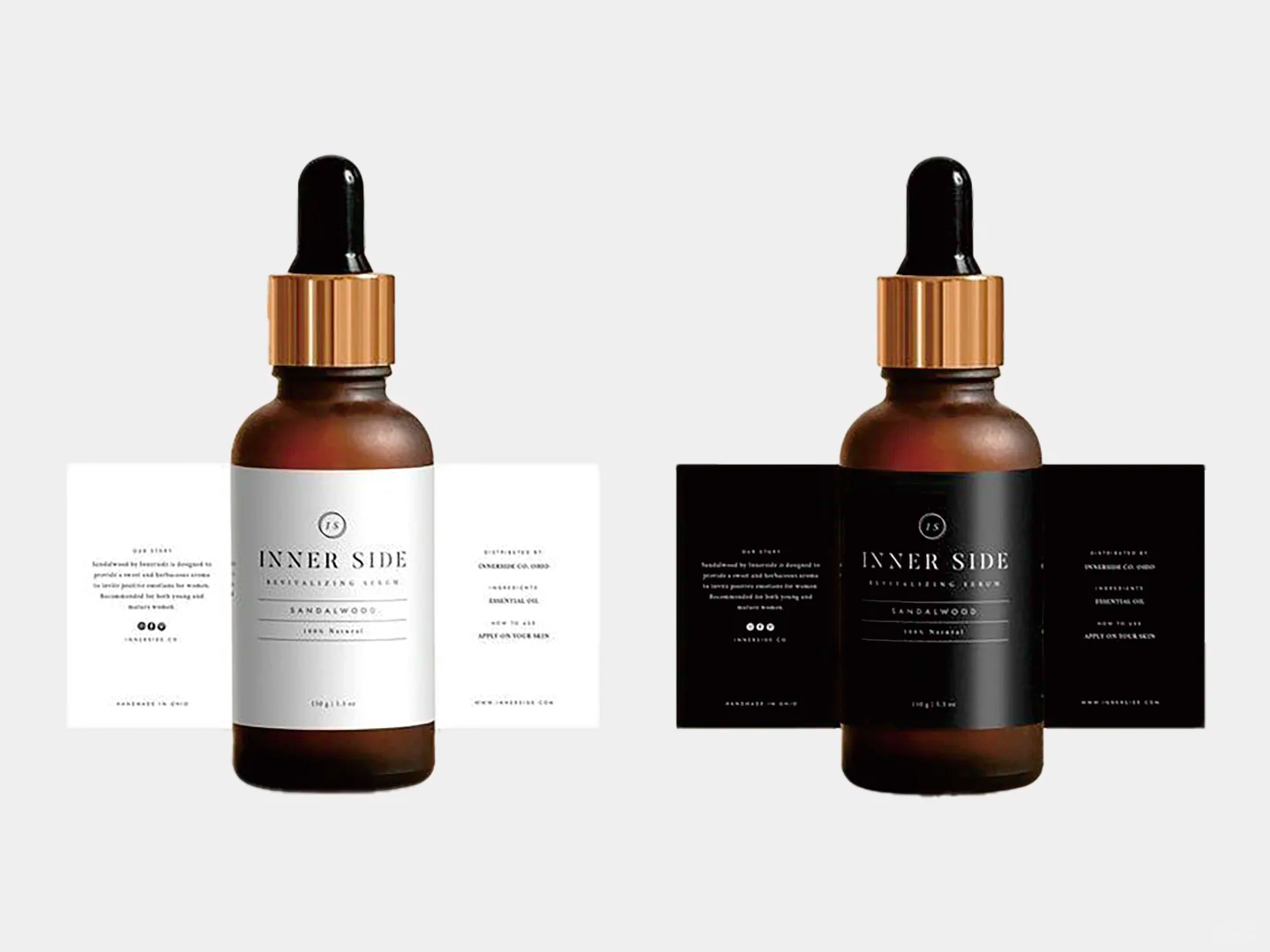
Pure-Easy cosmetic labels are designed to enhance the presentation of your products’s appearance and personal care.
own 19 years of experience in the industry and specialize in making high-quality labels for a wide range of cosmetic products, like lipstick labels, essential oil labels, and skin care labels.
offer a diverse selection of materials to suit your needs, including PP, PET, PVC, PE, and BOPP.
Common Cosmetic Label Materials and Their Characteristics
PP (Polypropylene)
PP is a versatile material known for its durability and resistance to chemicals. It offers good clarity and can be easily customized in terms of color and design. PP labels are often used for products that require a balance of transparency and sturdiness, such as skincare items. They are also cost-effective, making them a popular choice for a wide range of cosmetic products.
PET (Polyethylene Terephthalate)
PET is renowned for its high transparency and excellent resistance to wear and tear. It maintains its appearance even under harsh conditions, making it ideal for premium cosmetic products. PET labels are often used for high-end skincare and perfume bottles, where a luxurious look and feel are essential. They also offer superior print quality, ensuring that intricate designs and branding elements are clearly visible.
PVC (Polyvinyl Chloride)
PVC is a robust material with good flexibility and a high level of durability. It is often used for labels that need to withstand frequent handling and exposure to various environmental conditions. PVC labels are commonly found on products like nail polish and hair care items, where the label needs to remain intact despite regular use. However, it is worth noting that PVC is less environmentally friendly compared to other materials.
PE (Polyethylene)
PE is a soft and flexible material that is highly resistant to water and oil. It is perfect for products that require a label to stay in place even when exposed to moisture, such as shower gels and shampoos. PE labels can conform to the shape of the product packaging, ensuring a snug fit and a professional appearance. They are also known for their excellent adhesion properties, reducing the risk of peeling or wrinkling.
BOPP (Biaxially Oriented Polypropylene)
BOPP is a popular choice for cosmetic labels due to its excellent clarity and printability. It provides a high-quality finish that enhances the visual appeal of the product. BOPP labels are often used for rigid packaging, such as bottles and jars, where a clear and attractive label is crucial. They are also known for their good resistance to moisture and chemicals, ensuring that the label remains in excellent condition throughout the product's lifecycle.
Material Selection Based on Cosmetic Types and Usage Scenarios
Choosing the right label material for cosmetic products is essential for ensuring both functionality and aesthetic appeal. Different types of cosmetic products—such as skincare, makeup, hair care—have unique requirements based on their usage scenarios and environmental conditions. Selecting the appropriate material can enhance the product's durability, visual appeal, and overall consumer experience.
Skincare Products
Skincare products often require labels that are both informative and visually appealing. Materials like PP and PET are commonly used due to their clarity and durability. For example, a high-end skincare line might opt for PET labels to convey a sense of luxury and sophistication. These labels can withstand the rigors of daily use while maintaining their pristine appearance, reinforcing the brand's premium image.
Makeup Products
Makeup products, such as lipsticks and eyeshadows, often come in a variety of packaging shapes and sizes. Materials like PVC and BOPP are frequently used for their flexibility and ability to conform to different packaging forms. A well-known makeup brand might choose a unique PVC label with a textured finish to enhance the product's tactile appeal and differentiate it from competitors. This attention to detail can significantly impact consumer perception and purchasing behavior.
Hair Care Products
Hair care products, including shampoos and conditioners, often require labels that can withstand exposure to water and humidity. PE labels are an excellent choice for these products due to their water-resistant properties. They can maintain their integrity even when in contact with water, ensuring that the label remains legible and attractive. This durability is crucial for maintaining consumer trust and satisfaction.
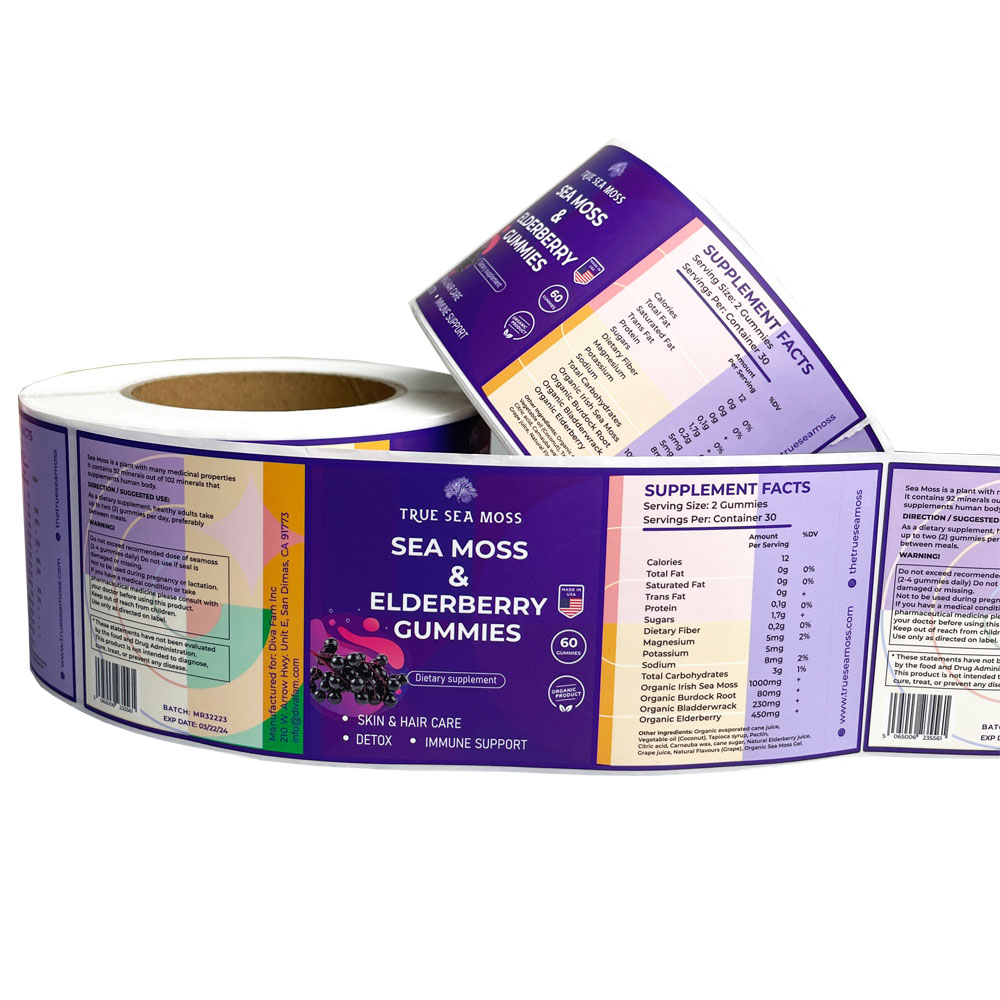
Why Do Cosmetic Labels Peel? 5 Material Fixes You Can’t Ignore
Cosmetic labels play a crucial role in product presentation and consumer perception. However, peeling labels can detract from the product’s appearance and impact consumer trust. Understanding the reasons behind label peeling and implementing the right material fixes can significantly enhance the durability and effectiveness of cosmetic labels.
Common Reasons for Label Peeling
1. Surface Preparation
One of the primary reasons for label peeling is improper surface preparation. If the surface where the label is applied is not clean and free from dust, oil, or other contaminants, the adhesive may not adhere properly. To address this, ensure that the surface is thoroughly cleaned with a mild cleaning solution and allowed to dry completely before applying the label.
2. Label Material Selection
Choosing the wrong label material for the specific application can lead to peeling. Different cosmetic products have varying requirements based on their usage and environmental conditions. For instance, products exposed to moisture or extreme temperatures need labels designed to withstand such conditions. Materials like PET (Polyethylene Terephthalate) and PE (Polyethylene) are known for their durability and resistance to moisture, making them suitable for products like shampoos and skincare items.
3. Adhesive Type
The adhesive used on the label is another critical factor. Permanent adhesives are ideal for most applications, but if the label needs to be removed later, removable or repositionable adhesives may be more appropriate. For products that require extra durability, such as those stored in the refrigerator or freezer, or those with soft-touch lamination, an aggressive adhesive is recommended.
4. Application Technique
The way the label is applied can also affect its longevity. Labels should be applied smoothly and evenly, avoiding air bubbles and wrinkles. Using a label applicator can ensure consistent and precise placement. Additionally, applying enough pressure to the label to create a strong bond with the surface is essential. A roller or hand pressure can be used to press the label firmly onto the product, and allowing the label to adhere for a recommended “dwell time” before moving the product can improve adhesion.
5. Environmental Factors
Extreme temperature fluctuations, humidity, and exposure to UV light can impact label adhesion. Storing labels in a cool, dry place away from direct sunlight can help maintain their integrity. For products that will be exposed to harsh environmental conditions, selecting materials and adhesives specifically designed to withstand these challenges is crucial.
Pure-Easy—Why choose us?One-Stop Services at Our Factory
We provide high-quality label production and relevant solutions.(like packaging and other additional production needs).We understand that our clients require seamless, end-to-end services to ensure their products are ready for the market with minimal hassle. So we offer one-stop service to meet your need(like packaging and other additional production needs).
Conclusion
Choosing the right cosmetic labeling material is a multifaceted decision that involves considering the product type, usage scenario, and desired brand image. Key factors to consider include the material's durability, transparency, resistance to water and oil, and overall aesthetic appeal. By carefully selecting the appropriate label material, cosmetic brands can enhance their products' visual appeal, build consumer trust, and ultimately drive sales. Whether aiming for a luxurious look or an eco-friendly approach, the right material can make all the difference in the success of a cosmetic product.

With well-equipped testing equipment and strong technical force, we have several inward rotogravure printing machines and fully automatic label printing machines.
Copyright © 2026 Shanghai Pure-easy Label Printing Co., Ltd. - All Rights Reserved.