Professional Custom Stickers Printing Manufacturer Since 2005
Language
Professional Custom Stickers Printing Manufacturer Since 2005
There are 13 common printing processes:
Laminating,Hot Stamping,Laser Embossing,UV Printing,Reverse UV,Reverse Matte,
Embossing and Debossing,Die Cutting,Varnishing,Screen Printing,Spot Color Printing,Four-Color Process Printing,Flocking
Today, we will focus on another 5.
1. Reverse UV
Process Description:
Reverse UV glazing allows for both high-gloss and matte or frosted effects on the same print, creating strong contrast and improved gloss effects. The matte areas are printed using offset printing for precise registration and high accuracy in high-gloss areas.
Characteristics:
It enhances the print quality, making the result more exquisite and refined.
2. Reverse Matte
Process Description:
The reverse matte process, a new printing technique from the past couple of years, involves several special base oil or varnish treatments. Some consider it a type of partial glazing process. It involves printing normally, then applying a special base oil in non-highlight areas after the ink has dried or cured. Once the base oil is dry, UV varnish is applied over the entire surface, creating a matte or frosted finish where the base oil is present, and a glossy mirror finish where it is not.
Characteristics:
The surface has a white matte effect with a sandy texture that can be scraped off with a blade, similar to screen printing UV processes.
3.Embossing and Debossing
Process Description:
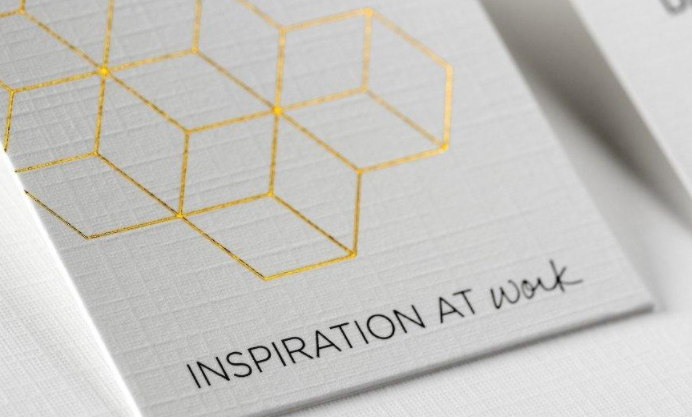
Embossing is a commonly used post-printing technique where pressure is applied from the backside of the paper to create a raised effect on the surface. This technique, known as embossing, aims to add layers and texture to the overall structure.Debossing involves combining a recessed and raised die and placing the paper in between. Pressure is then applied to create an indented effect, showcasing text and patterns with a noticeable three-dimensional quality.
Features: The various raised text and patterns created through embossing display different depths, giving a clear relief effect. This enhances the three-dimensional quality and artistic appeal of the printed material.
4.Die-Cutting
Process Description:
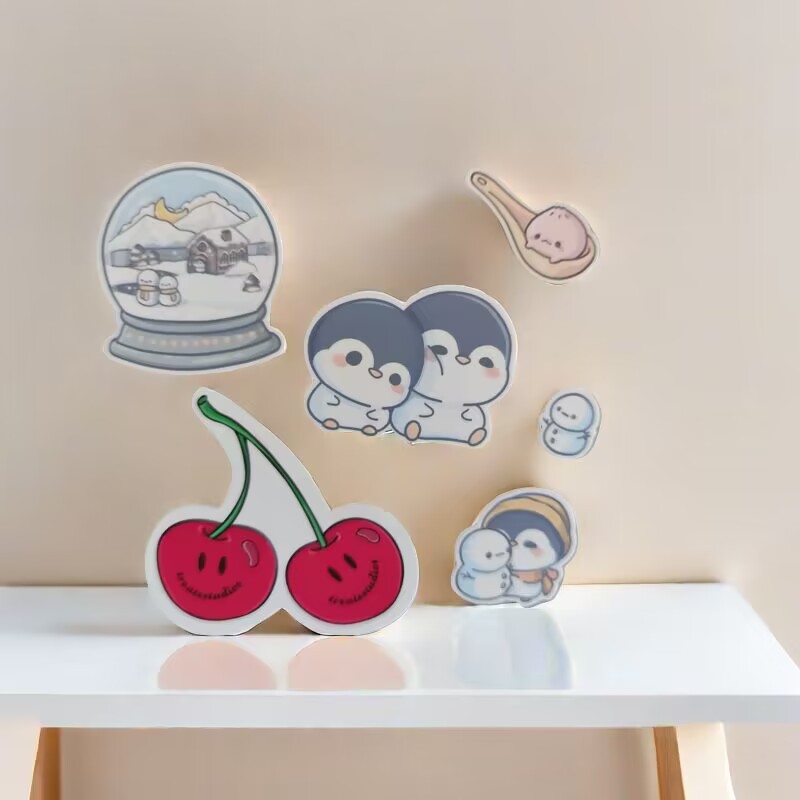
Traditional die-cutting refers to a cutting process in post-printing. A die is made based on the product's design requirements, and under pressure, it cuts the printed material or other sheet materials into the desired shape or scores it. This is a shaping process.
Classification:
Die-Pressing: The die-cutting and scoring knives are combined on the same template, simultaneously performing die-cutting and scoring processes.
Scoring: Pressure is applied to create score lines on the sheet material, which is then bent into shape.
5. Varnishing
Process Description:
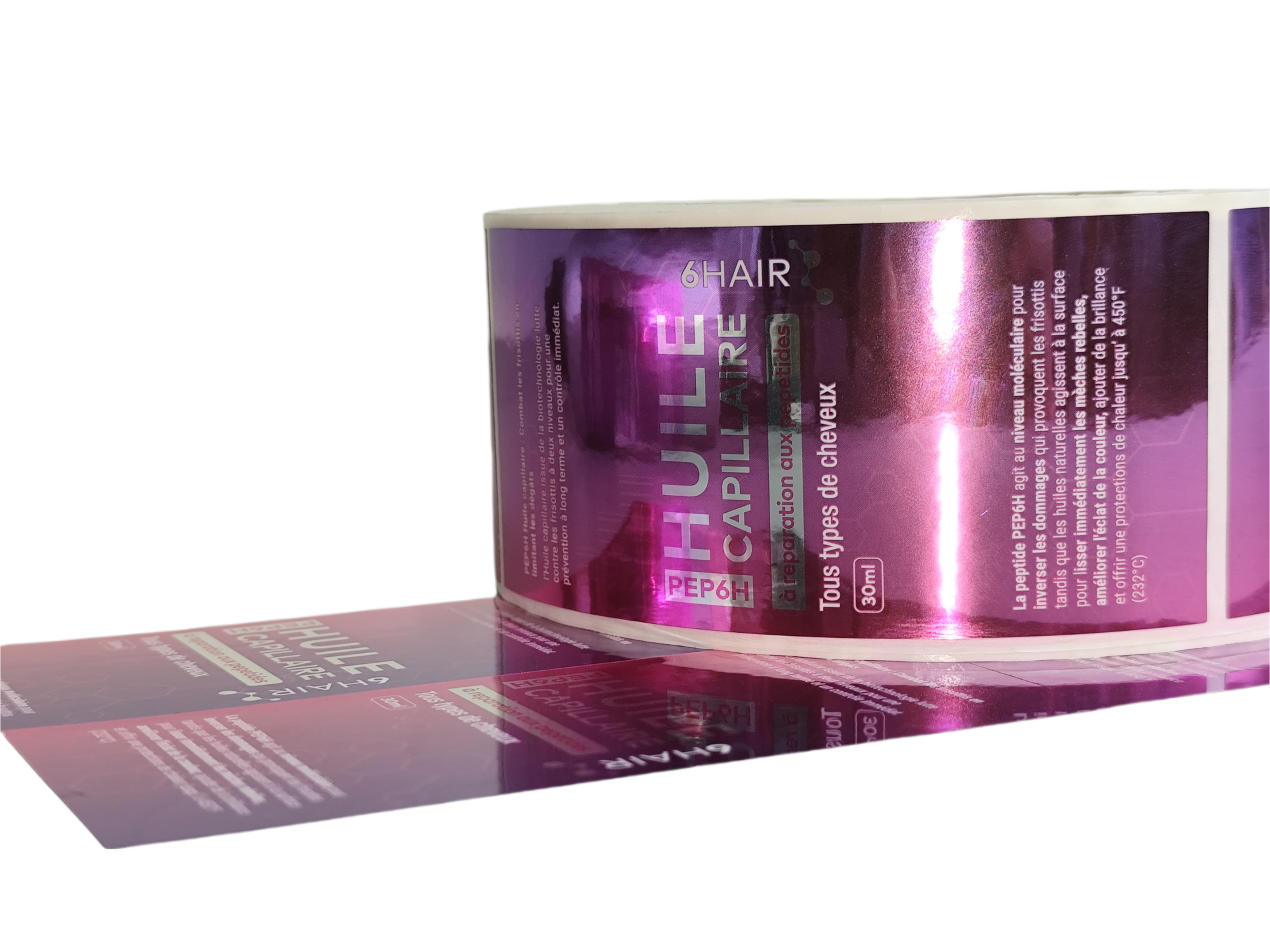
Varnishing involves applying (or spraying, printing) a layer of colorless, transparent coating on the surface of printed materials. After leveling, drying, glazing, and curing, a thin and even transparent glossy layer forms on the surface of the printed materials.
Features:
Varnishing not only enhances the surface gloss and brightness but also provides waterproof and oil-resistant protection for the packaging surface. It protects the printed text and images while not affecting the recyclability of the paper.

With well-equipped testing equipment and strong technical force, we have several inward rotogravure printing machines and fully automatic label printing machines.
Copyright © 2026 Shanghai Pure-easy Label Printing Co., Ltd. - All Rights Reserved.