Professional Custom Stickers Printing Manufacturer Since 2005
Language
Professional Custom Stickers Printing Manufacturer Since 2005
Do you know what magical printing techniques are hidden behind those exquisite cosmetic labels?
In the era of consumer upgrading, labels serve as visual business cards for product packaging, and their process selection directly affects the transmission of brand value.
Part1、 Analysis of Hot Pressing Technology
1.1 Process Definition and Implementation Principle
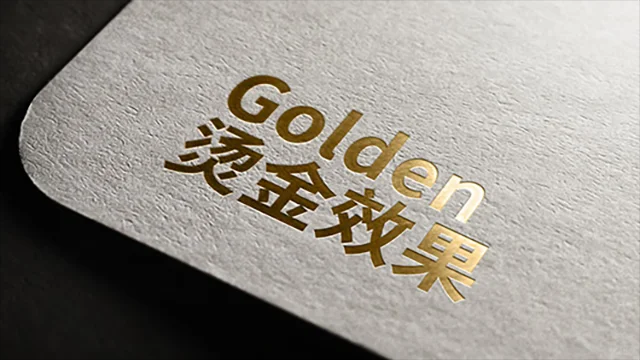
Hot stamping is a traditional process of transferring metal foil onto a substrate using hot pressing technology. Its core equipment includes a precision temperature control system (120-150 ℃), a pressure device (3-5kg/cm ²), and a specially made metal hot stamping plate (copper/zinc plate). Activate the foil separation layer through thermal conduction and complete graphic and text transfer in 0.3-1.2 seconds of instantaneous compression.
1.2 Process feature matrix
-Tactile dimension: Create a micro relief effect of 0.08-0.15mm
-Visual presentation: Metal glossiness reaches 85-95GU (measured by a 60 ° gloss meter)
-Durability: Passed 500 abrasion tests (ASTM D5264 standard)
-Minimum line width: capable of handling fine lines of 0.2mm - registration accuracy: ± 0.15mm
1.3 Typical application scenarios
① Luxury packaging: 0.1mm gold wire hot stamping on Herm è s packaging box
② Alcohol label: Three dimensional embossed hot stamping of Maotai liquor label
③ Cosmetics packaging: Gradient hot stamping of Dior lipstick shell
④ Special Material: Mixed media hot stamping of leather/wood grain paper
Part2:Innovation breakthrough in cold ironing process
2.1 Technological Evolution Path
Cold foil technology achieves foil transfer through UV adhesive (viscosity 3000-5000 CPS), breaking through the physical limitations of traditional hot stamping. Its process window temperature is controlled at 40-60 ℃, with a pressure range of 1.5-3kg/cm ², suitable for more thermal sensitive materials.
2.2 Process Advantage Map
-Material compatibility: Can handle heat shrinkable films such as PET/OPP (shrinkage rate<3%)
-Production efficiency: The online production speed can reach 60-100m/min - Color performance: Supports Pantone color scheme with a coverage rate of 90%
-Environmental indicator: VOCs emissions reduced by 70% (compared to traditional processes)
-Cost effectiveness: Material loss rate<5%
2.3 Innovative Application Cases
① Daily chemical industry: Procter&Gamble shampoo standard full range cold perm process
② Electronic products: Mirror silver effect on Apple accessory packaging
③ Food Packaging: Rainbow Hot Pot for Starbucks Limited Edition Cups
④ Variable data: QR code cold ironing traceability of drug labels

Part3:Process Decision Matrix Model
3.1 Four dimensional evaluation system
① Cost dimension: The cost of hot stamping molds accounts for 15-30%, while the cost of cold stamping consumables accounts for 40-60%
② Technical parameters: Hot ironing accuracy ± 0.1mm vs cold ironing ± 0.3mm
③ Production scale: Hot ironing economic batch size of 5000+, cold ironing suitable for 10000+orders
④ Environmental requirement: Reduce carbon footprint by 35% for cold pressing (ISO 14067 standard)
3.2 Dynamic selection strategy
-High end positioning product: It is recommended to use a combination of hot stamping and reverse UV technology (with a 20% increase in cost and a 50% increase in premium capacity)
-Fast moving consumer goods field: Recommended cold pressing+digital printing solution (reducing production cycle by 40%)
-Special effect requirement: You can try cold ironing and local polishing (gloss contrast up to 70GU)
Conclusion:
In the wave of digitalization in packaging, hot stamping technology has evolved from a simple decorative technique to a strategic carrier of brand value. The latest industry data shows that innovative hot stamping technology can increase product shelf visibility by 63% and conversion rate by 27%, which is the commercial value of process innovation.
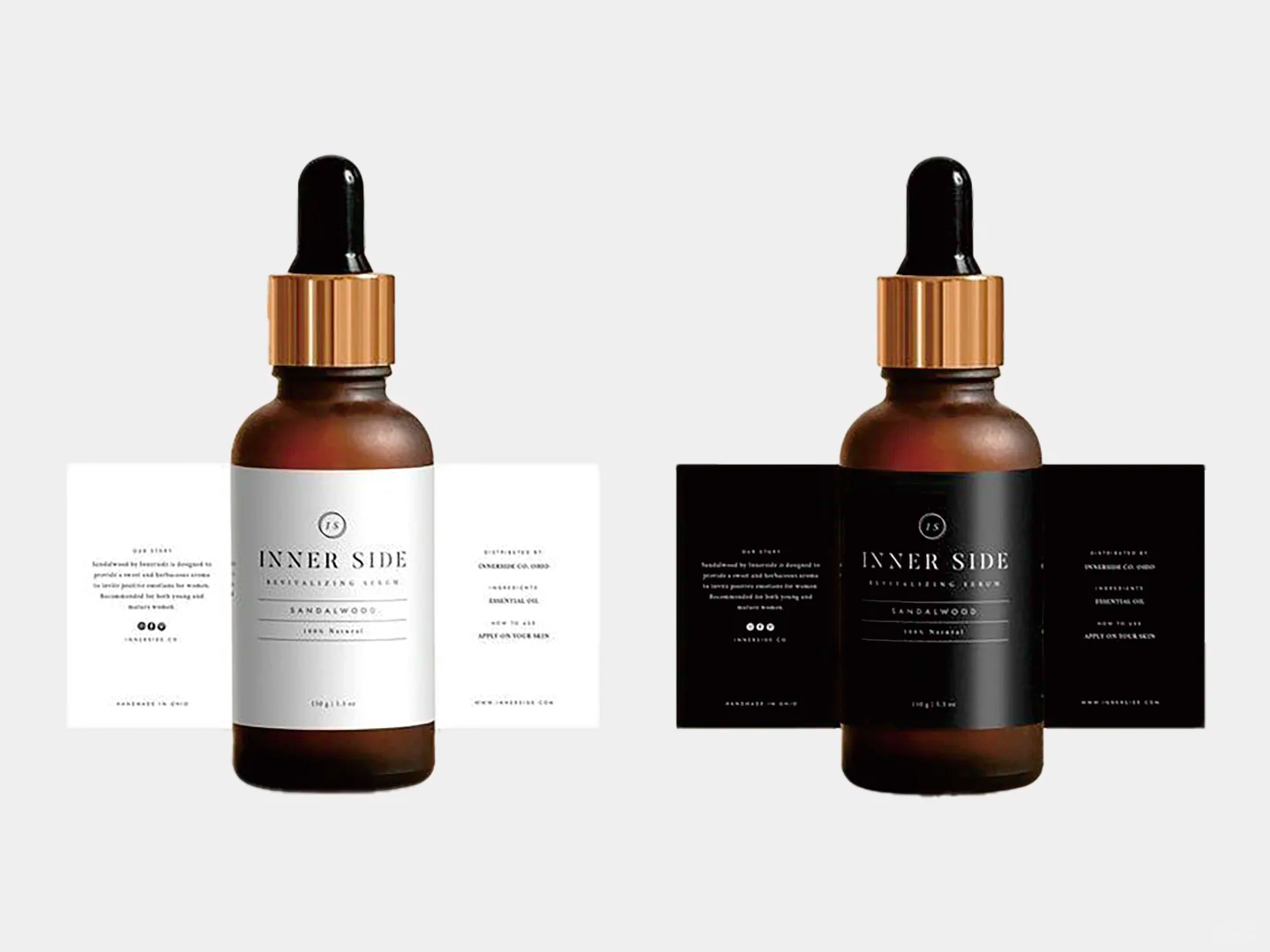

With well-equipped testing equipment and strong technical force, we have several inward rotogravure printing machines and fully automatic label printing machines.
Copyright © 2026 Shanghai Pure-easy Label Printing Co., Ltd. - All Rights Reserved.