Professional Custom Stickers Printing Manufacturer Since 2005
Language
Professional Custom Stickers Printing Manufacturer Since 2005
The outer packaging of a product may not be eye-catching, but it also determines the details of the company. If the label material is not chosen properly and the edges become raised after being attached, the image of the product will be greatly reduced. What is waterproof cosmetic label adhesive solutions? How can we avoid this situation from happening? Let me answer for you.
Part1、Stickers tend to fail in high-temperature and humid environments mainly due to the following reasons:
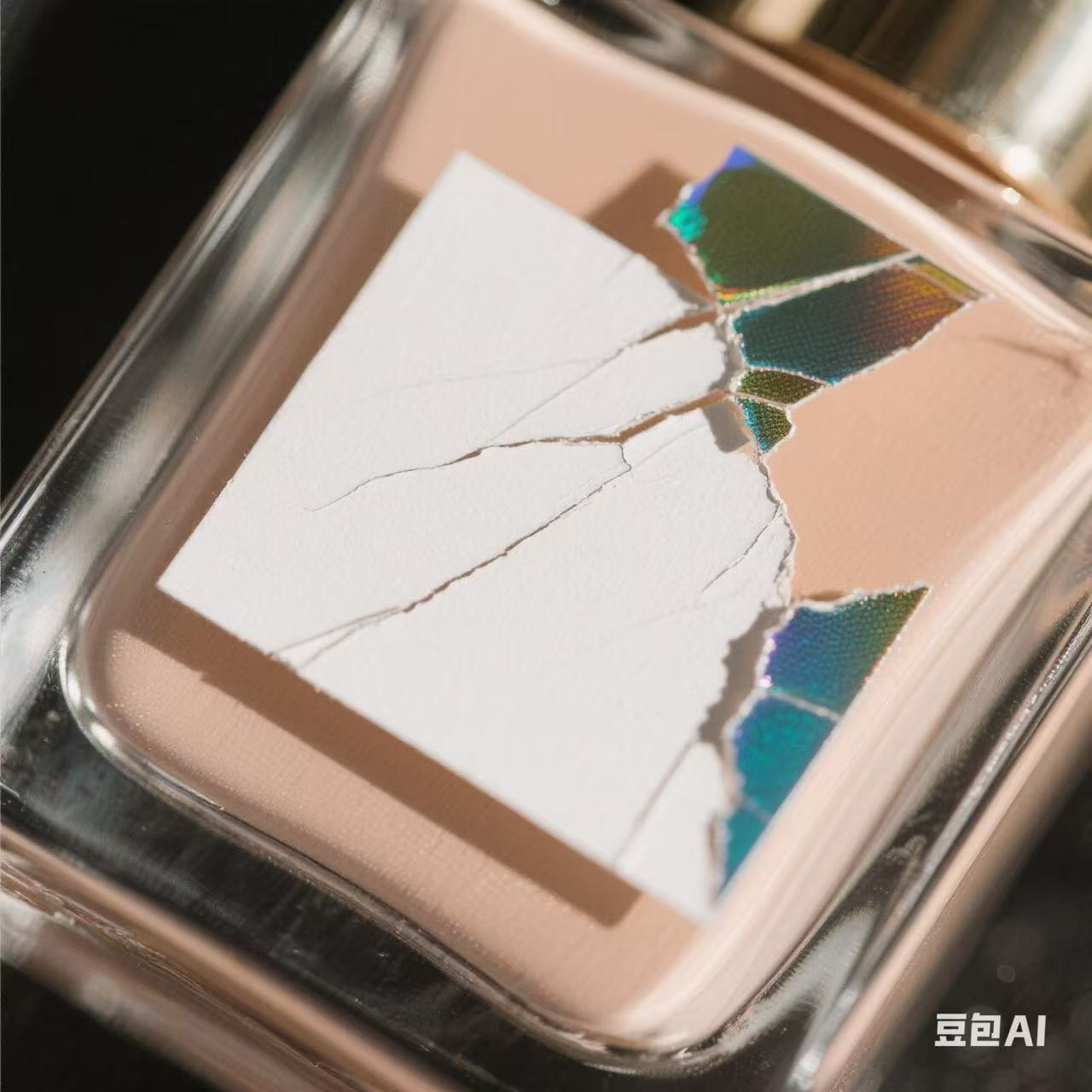
Changes in Adhesive Performance
• High temperatures accelerate the molecular movement of adhesives, reducing their stickiness. Meanwhile, moisture in humid environments penetrates the adhesive, diluting it and disrupting the intermolecular forces, thus weakening the bonding strength.
Deformation of Sticker Materials
• High-temperature and humid conditions can cause the base materials of stickers (such as paper or plastic) to expand or deform. This deformation reduces the fit between the sticker and the surface it is applied to, even causing bubbles or edge curling, which weakens the adhesion.
Changes in the Surface of the Applied Object
• High-temperature and humid environments may cause water vapor condensation or rust on the surface of the applied object. Water vapor forms a barrier between the sticker and the surface, preventing effective contact between the adhesive and the object. Surface corrosion such as rust can also damage the smoothness and roughness of the surface, affecting the sticker's adhesion.
Part2、According to laboratory tensile test data, there is a significant difference in adhesive compatibility between BOPP (biaxially oriented polypropylene film) and synthetic paper. The following is a comparative analysis:
1. Differences in basic material characteristics
Characteristics of BOPP material:
Low surface energy (about 30-32 dynes/cm)
Non polar surface chemical properties
Smooth surface structure (roughness Ra ≈ 0.1-0.3 μ m)
Characteristics of synthetic paper:
Medium surface energy (approximately 36-40 dynes/cm)
Containing polar functional groups (such as PP/PE mixed with inorganic fillers)
Micro rough surface (Ra ≈ 0.5-1.2 μ m)
2. Comparison of laboratory tensile test data
| Test indicators | BOPP average value | Average value of synthetic paper | Testing standards |
| Initial adhesion force (N/25mm) | 2.1±0.3 | 3.8±0.5 | ASTM D3330 |
| Final adhesion force (N/25mm) | 3.5±0.4 | 6.2±0.7 | ASTM D3330 |
| Peel strength (N/cm) | 1.8±0.2 | 3.5±0.3 | ASTM D903 |
| Shear strength (MPa) | 0.45±0.05 | 0.82±0.08 | ASTM D1002 |
| Failure mode | Interface failure | Material cohesion failure | / |
3. Analysis of key factors of adaptability
3.1 Surface treatment requirements
BOPP: Usually requires corona treatment (>38 dynes/cm) or primer treatment to achieve acceptable adhesive strength. Laboratory data shows that the adhesive strength of untreated BOPP is only 30-40% of that after treatment.
Synthetic paper: In most cases, no special surface treatment is required, but surface cleaning is crucial. Tests have shown that wiping with isopropanol can increase adhesive strength by 15-20%.
3.2 Suggestions for Adhesive Selection
BOPP compatible adhesive:
Modified acrylic adhesive (including tackifying resin)
Rubber based pressure-sensitive adhesive (high initial adhesion type)
Coupling agent (such as silane) needs to be added
Synthetic paper compatible adhesive:
Standard acrylic pressure-sensitive adhesive
Polyurethane hot melt adhesive
UV-curing adhesive
4. Environmental stability performance
Laboratory accelerated aging test (85 ℃/85% RH, 500 hours) shows:
BOPP bonding system:
Strength retention rate: initial 65-75%
Main degradation mode: interface hydrolysis
Synthetic paper bonding system:
Strength retention rate: initial 85-90%
Deterioration is evenly distributed throughout the entire bonding area
5. Application suggestions
Based on test data, recommendations for selection in different application scenarios are as follows:
- Short term label application: BOPP has lower cost, but synthetic paper performs more stably
-Outdoor durability application: Synthetic paper is significantly better than BOPP (with a strength difference of up to 40% after aging)
-High and low temperature environment: The performance of synthetic paper decreases by only 15% within the range of (-40 ℃~80 ℃), while the BOPP system decreases by 25-30%
-Heavy duty application: The shear strength of synthetic paper is almost twice that of BOPP
Laboratory data shows that although BOPP material has a lower cost, synthetic paper exhibits superior adhesive compatibility and long-term reliability in most application scenarios, considering the comprehensive performance of the bonding system.
Part3、Recommend 3 FDA certified chemical resistant adhesives
1. Medical grade silicone adhesive
Certification standards: FDA 21 CFR 175.300&USP Class VI
Chemical resistance: acid and alkali (pH 1-14), alcohol, hydrogen peroxide
Temperature range: -60 ℃~200 ℃
Typical applications: Medical device sealing, pharmaceutical equipment gasket
Cost range: $35-70/kg (note: high transparency models have a 30% premium)
2. Epoxy modified acrylic structural adhesive
Certification standards: FDA 21 CFR 175.105&NSF/ANSI 51
Chemical resistance: resistant to oils, hydrocarbon solvents, weak acids (pH>3)
Temperature range: -40 ℃~150 ℃
Typical applications: bonding of food processing equipment, repair of conveyor belts
Cost range: $25-50/kg (15% cost reduction for two-component models)
3. Fluororubber based pressure-sensitive adhesive (PSA)
Certification standard: FDA 21 CFR 177.2600
Chemical resistance: resistant to strong oxidants (such as sodium hypochlorite) and ketone solvents
Temperature range: -30 ℃~180 ℃
Typical applications: chemical packaging labels, laboratory equipment sealing
Cost range: $50-90/kg (including double the price of adhesive tape with backing material)
Explanation of Cost Influencing Factors:
Bulk procurement (>100kg) can reduce costs by 15-20%
Special colors or conductive additives can cause a 25% price increase+
In Q2 2025, due to stricter regulation of fluorine-containing materials, the price of fluororubber adhesive increased by 8% year-on-year
Last:
Common adhesive types for self-adhesive labels include water glue, hot glue, oil glue, removable glue, tire glue, frozen glue, etc
Different label materials can be paired with different adhesives to achieve specific adhesive requirements.
Adhesive strength: Tire adhesive>Oil adhesive>Hot adhesive>Water adhesive ≈ Frozen adhesive>Removable adhesive
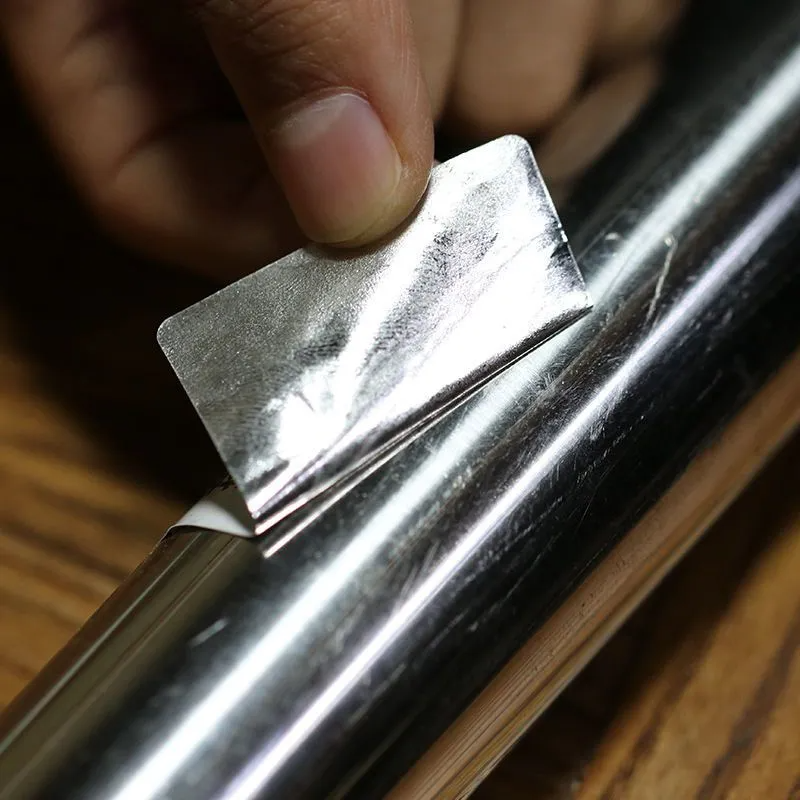
Water glue is commonly used in daily life. If there are no special requirements, it is recommended to use water glue.
Tire rubber is suitable for sticking to rough surfaces such as woven bags, rough plastic buckets, etc. It has strong adhesion.
Oil glue is commonly used in industrial electrical appliances and other products, with high temperature resistance and strong viscosity.
The initial viscosity of hot glue is stronger than that of water glue, but its durability is not as good. Hot glue is commonly used on short-term products, such as cardboard labels, express logistics, etc. Hot glue has the lowest cost, is simple and rough, and can be firmly attached, but the time cannot be too long as the viscosity is prone to failure.
Water glue is more firmly attached, and more than 70% of the commonly used adhesive labels in our daily lives may be water glue.
Removable adhesive can be repeatedly applied without leaving any residue, such as size labels in clothing stores, or some sealing stickers (which can be torn off without leaving any residue). If the label needs to be torn off later without leaving any residue, removable adhesive can be used, but the cost is higher than water adhesive. Water adhesive can be torn off in a short period of time without leaving any residue, but it will still leave residue over time and is difficult to clean.
Frozen glue is used in the cold chain transportation industry for some fresh frozen foods, such as cow wrap packaging. Its characteristic is that the label adhesion will not fail in low temperature environments and can be firmly attached.
The above is some information I have provided for you about adhesive stickers, hoping it will be helpful to you. If you need adhesive labels, please feel free to contact us!!

With well-equipped testing equipment and strong technical force, we have several inward rotogravure printing machines and fully automatic label printing machines.
Copyright © 2026 Shanghai Pure-easy Label Printing Co., Ltd. - All Rights Reserved.