Professional Custom Stickers Printing Manufacturer Since 2005
Language
Professional Custom Stickers Printing Manufacturer Since 2005
In our daily lives, packaging materials are widely used, especially in products like snacks, wet wipes, beverages, and powders. Most of these packaging bags use various types of flexible packaging roll films.
What is Roll Film?
Roll film doesn’t have a precise definition in the packaging industry. Essentially, it is a packaging film that comes in rolls. The material types are the same as those used for packaging bags; the only difference is that roll film skips one production step to become a finished bag. Common roll films on the market include PVC shrink film rolls, OPP rolls, PE rolls, PET protective films, and composite roll films.
Applications of Roll Film
In everyday life, you may notice roll film being used in various ways. For instance, in bubble tea shops, the sealing film used in sealing machines is a type of roll film. Additionally, bottle packaging often involves heat shrink roll films, such as those used for certain sodas, bottled water, and non-cylindrical shaped bottles.
Among the many types of roll films, composite roll film is the most widely used. It is made from two or more materials that have been processed through one or multiple lamination processes to create a composite material with specific functional properties. Typically, composite materials can be divided into three layers: the printing layer, the functional layer, and the heat-sealing layer
• The outer layer usually uses materials like polyester, nylon, stretched polypropylene, or paper.
• The middle layer often consists of aluminum foil, metallized film, polyester, or nylon.
• The inner layer typically employs materials like cast polypropylene or polyethylene.
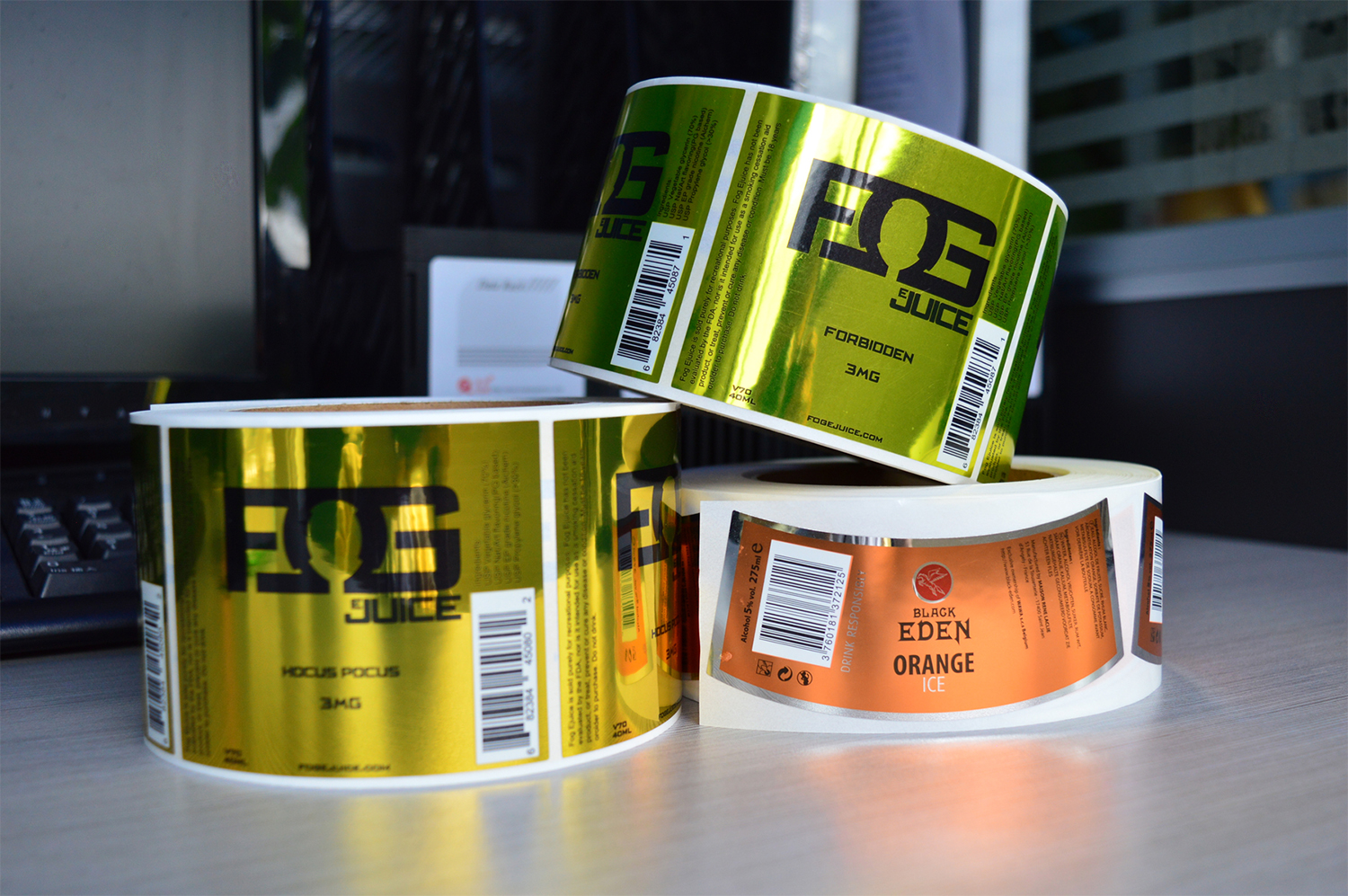
These different layers provide composite roll films with a wide range of applications, including packaging for snacks, frozen foods, dehydrated vegetables, seasonings, ready-to-eat foods, solid beverages, powders, and wet wipes.
For example, Hua Yi wet wipes roll film is made using high-quality PET, AL, and PE materials, combined with solvent-free or dry lamination processes. This results in excellent barrier properties, heat sealability, light-blocking capabilities, high-temperature resistance, oil resistance, solvent-free residue, puncture resistance, and tensile strength. These characteristics make it widely used for various wet wipe packaging.
Why is Roll Film Widely Used?
The widespread use of roll film in the packaging industry is primarily due to its cost-effectiveness, which greatly simplifies the packaging process. Roll film can be used on automatic packaging machines without requiring any edge-sealing work from the packaging company, as this is handled by the manufacturer in a single operation. This results in high production efficiency and low costs. Additionally, supplying the film in rolls significantly reduces transportation costs.

For more information on packaging roll film label products, you can consult with Pure-Easy Labels online customer service. They have professional equipment and produce various packaging roll films for food, wet wipes, and more. They also support custom specifications and designs to meet your needs.

With well-equipped testing equipment and strong technical force, we have several inward rotogravure printing machines and fully automatic label printing machines.
Copyright © 2026 Shanghai Pure-easy Label Printing Co., Ltd. - All Rights Reserved.