Professional Custom Stickers Printing Manufacturer Since 2005
Language
Professional Custom Stickers Printing Manufacturer Since 2005
When you walk into a supermarket or store to buy fruits, you will find various small stickers on many fruits, such as apples, bananas, mangoes, pineapples, etc. The small stickers on fruits may seem simple, but behind them lie many practical functions and industry rules. The following are the key reasons and functions of fruit stickers:
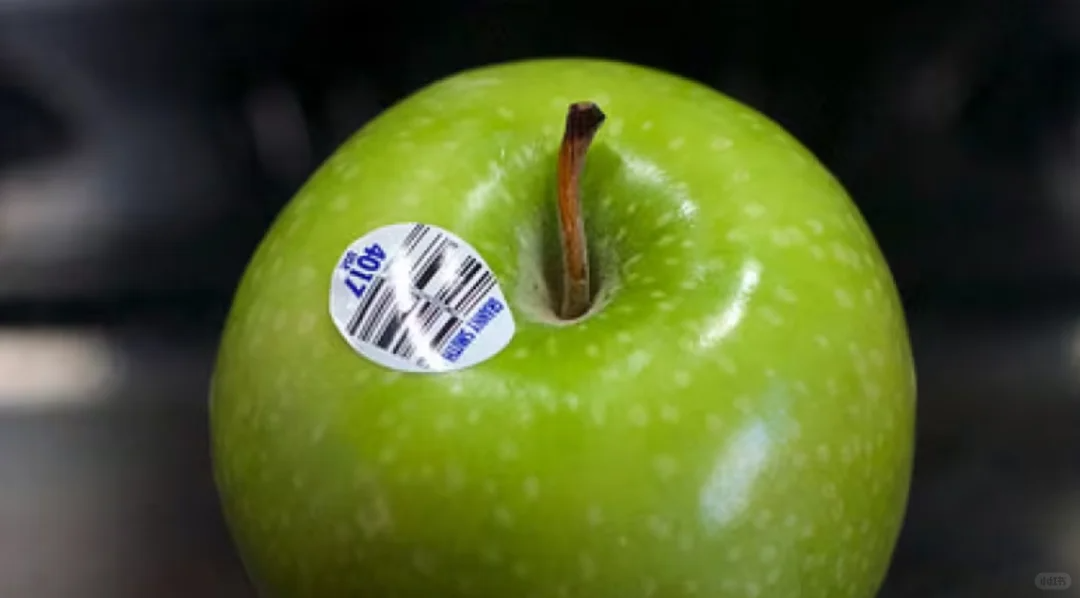
1. Variety and brand identification
Variety differentiation: The code or name on the sticker helps consumers identify the type of fruit (e.g. "4016" is a regular red apple, "4131" is a Fuji apple).
Brand promotion: Large farms or high-end brands such as Dole and Zespri will use stickers to enhance their brand image.
2. Origin tracking
The country/region code on the sticker (such as "CL"=Chile, "NZ"=New Zealand) meets import regulations and allows consumers to understand the source of the fruit.
3. Quality certification and safety information
Organic certification marks (such as USDA Organic, EU Green Label).
Food safety certification (such as GlobalG.A.P.).
Some stickers will be labeled with selling points such as "wax free" and "non GMO".
4.Practical functions
Breathable design: Special material stickers can delay fruit decay (such as citrus).
Easy to tear without leaving glue: using food grade adhesive, it is not easy to leave residue when cleaning.
Anti counterfeiting function: High end fruits (such as Japanese Harunobu grapes) are prevented from counterfeiting through stickers.
5. Environmental Protection and Regulatory Trends
In recent years, compostable stickers (made from corn starch) have emerged.
The European Union and other regions require stickers to indicate a "edible" or "to be removed" prompt.
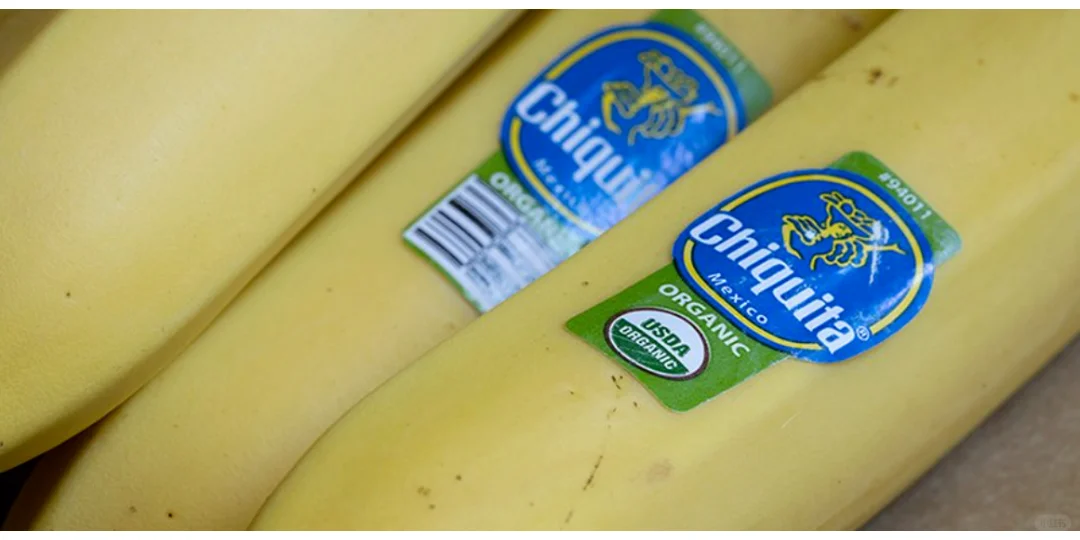
If you are a farm fruit supplier or supermarket owner and need similar fruit stickers, please feel free to contact us. We are a label printing factory with 20 years of experience, and we will provide you with the best quality products and services.


With well-equipped testing equipment and strong technical force, we have several inward rotogravure printing machines and fully automatic label printing machines.
Copyright © 2026 Shanghai Pure-easy Label Printing Co., Ltd. - All Rights Reserved.