Professional Custom Stickers Printing Manufacturer Since 2005
Language
Professional Custom Stickers Printing Manufacturer Since 2005
In the modern market environment, fake and shoddy products are very common. Just imagine that, we spent thousands of dollars on skin care products,
but it is fake! How frustrated we will be! And if we have fake products in our diet, then our lives and health will be threatened.
Therefore, in order to protect the brand reputation and the rights and interests of consumers, various enterprises have adopted a variety of
label anti-counterfeiting technology. Today we will introduce several common label anti-counterfeiting technology.
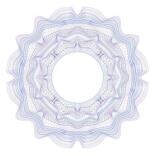
1. Watermark Anti-Counterfeiting: Watermark anti-counterfeiting uses special paper with watermarks ,which can only be seen under certain light or
with specific devices. This technique is commonly used for high-value items like banknotes and certificates and is also frequently seen in everyday life
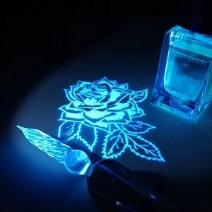
2.Fluorescent Anti-Counterfeiting:
Fluorescent anti-counterfeiting involves adding fluorescent substances to labels. Under ultraviolet (UV) light, these substances reveal specific
patterns or text, helping to determine if a product is genuine or fake. This technique is widely used in various consumer product packaging.
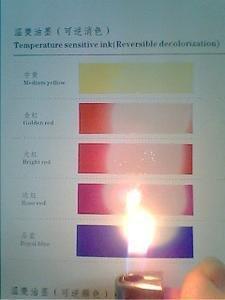
3.Thermochromic Ink Anti-Counterfeiting:
This method uses thermochromic ink that changes color or pattern at different temperatures.It is complex and helps to increase
the difficulty of counterfeiting, thus reducing the chance of imitation。
In summary, each of these anti-counterfeiting methods has its own strengths and weaknesses.
Companies can choose the best method based on their products, market needs, and cost. The three technologies discussed today are common for label
materials. There is also a unique anti-counterfeiting method based on traceability technology, known as traceability code anti-counterfeiting.
In the next article, we will explore the history and reliability of traceability codes in anti-counterfeiting.

With well-equipped testing equipment and strong technical force, we have several inward rotogravure printing machines and fully automatic label printing machines.
Copyright © 2026 Shanghai Pure-easy Label Printing Co., Ltd. - All Rights Reserved.