Professional Custom Stickers Printing Manufacturer Since 2005
Language
Professional Custom Stickers Printing Manufacturer Since 2005
Label curling, peeling and sticky residue often ruin customer experience and damage brand image, especially posing huge risks for medicine and chemical products.
The problem is not just poor glue. It also relates to label material matching, surface texture, temperature and humidity in transit and storage.Clean dry surfaces and no air bubbles are essential. Choosing the right materials and correct sticking skills can perfectly avoid label peeling.
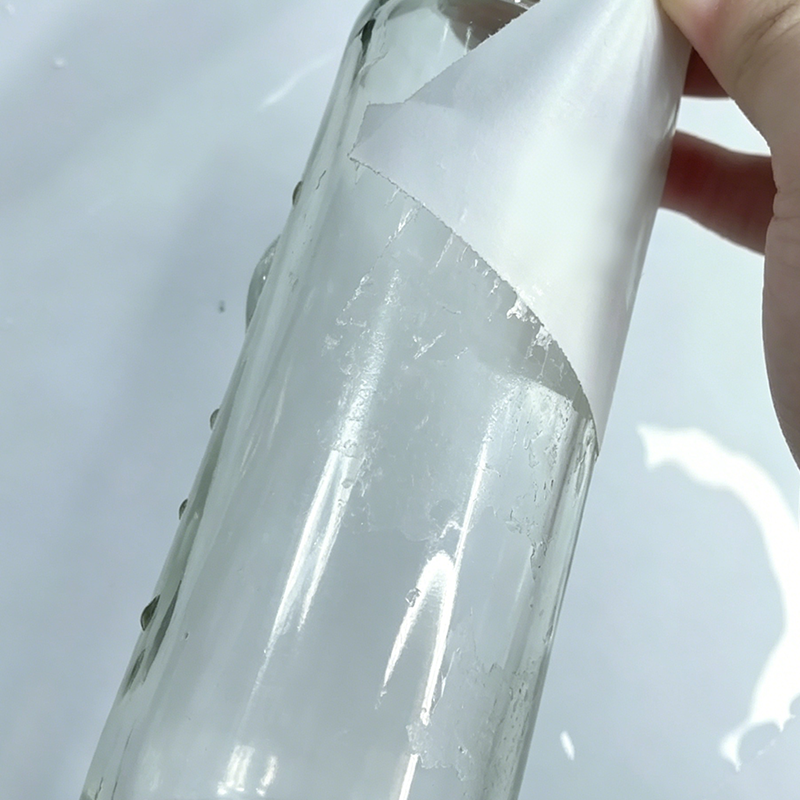
We stick labels on products casually in our daily life, but we don't realize they might not match.It's worth thinking about what the surface is —its texture and composition, before picking a label material and the right adhesive.
For rougher surfaces like cardboard boxes or wood? Try using a stronger adhesive paired with a flexible label material, you know.
Actually, this combination really works well—it can conform to uneven textures.That stops edges from curling up and prevents labels from peeling off.
Some cosmetics labels and foods labels are affixed to the packaging of such items. For instance, for products like lotions, fruits, and those with high oil content, it is necessary to choose adhesives that are resistant to oil and plasticizers.Otherwise, the glue can fail when it interacts with those ingredients.
There are also some labels such as beverage labels and wine labels; these need to be affixed to plastic or glass bottles. These surfaces are smoother, and ordinary labels will peel off after a long time. It is recommended to choose strong adhesive ones.
From my perspective, materials with low surface energy just don't hold labels well otherwise. You might find those labels curling up or peeling off way too easily.
In fact, environment plays a huge role in why labels peel off. You really need to consider the temperature wherever that label's stuck. Too hot? Well, the adhesive can melt or go soft, letting the label just slide right off. Too cold?
It makes the glue brittle – cracks start showing up. Then there's humidity. When the humidity in the air is too high, moisture sneaks in between the label and the surface.
The glue just loses its grip bit by bit. Especially, when labels get shipped to coastal areas or end up stored in damp basement. Even during regular transport, if the temperature or humidity shifts just a little that's often enough to make them peel.
We'd lean toward synthetic materials like PET, PP, or PE for labels. They just don't warp or swell up with moisture like coated paper does, and cold temperatures won't make them brittle. If you can swing it budget-wise, film-based labels are even better at tackling these problems.
Fully acrylic adhesive is actually a pretty dependable choice for shipping things long distances.Not only can it withstand temperatures from -40°C to 120°C, it is also resistant to UV rays.
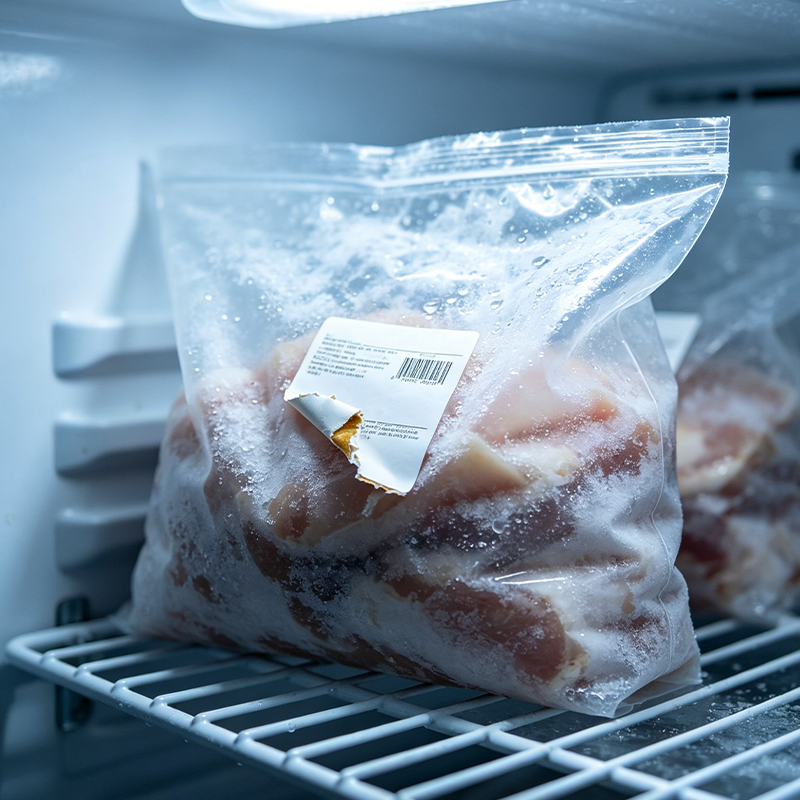
| Temperature Range | Adhesive State & Viscosity | Adhesion Level | Key Behaviors & Issues | Typical Application Limits |
| Below -20°C (-4°F) | Very stiff, glassy, brittle | Very low / poor tack | Adhesive hardens, loses wetting ability; easy to peel off or crack | Not recommended for labeling |
| -20°C to 0°C (-4°F to 32°F) | Stiff, high viscosity | Low to moderate | Reduced initial tack; slower bonding; may pop off smooth surfaces | Minimum application temp for most standard PSAs ≈ 5°C |
| 0°C to 15°C (32°F to 59°F) | Slightly stiff, rising viscosity | Moderate | Good initial grab but slower bond build-up; works but less aggressive | Acceptable for indoor use; avoid extreme cold cycling |
| 15°C to 35°C (59°F to 95°F) | Soft, balanced viscosity | Optimal / high | Best tack, quick bonding, clean removability | Standard operating window for office sticky notes & paper labels |
| 35°C to 60°C (95°F to 140°F) | Softer, lower viscosity | High but declining | Adhesive softens; may ooze, edge lift, or shift under load | Short-term okay; prolonged heat causes “cold flow” |
| Above 60°C (140°F) | Very soft, fluid-like | Low / failure | Severe softening, residue left on surfaces, label curling/delaminating | Permanent adhesives fail; repositionable notes lose function entirely |
We usually pay more attention on choosing better label and glue. But we neglect something need to be noticed when we labeling.
No matter how good the quality is, some details we overlook will still cause the label to peel and warp.
First, you still need to pay attention to the environment temperature. To ensure that the glue on the attached label flows normally and exerts adhesive strength.
Using alcohol to clean the surface before labeling to ensure there is no dust or oil. Sweat, grease or dust on our hands will remain on the adhesive surface.
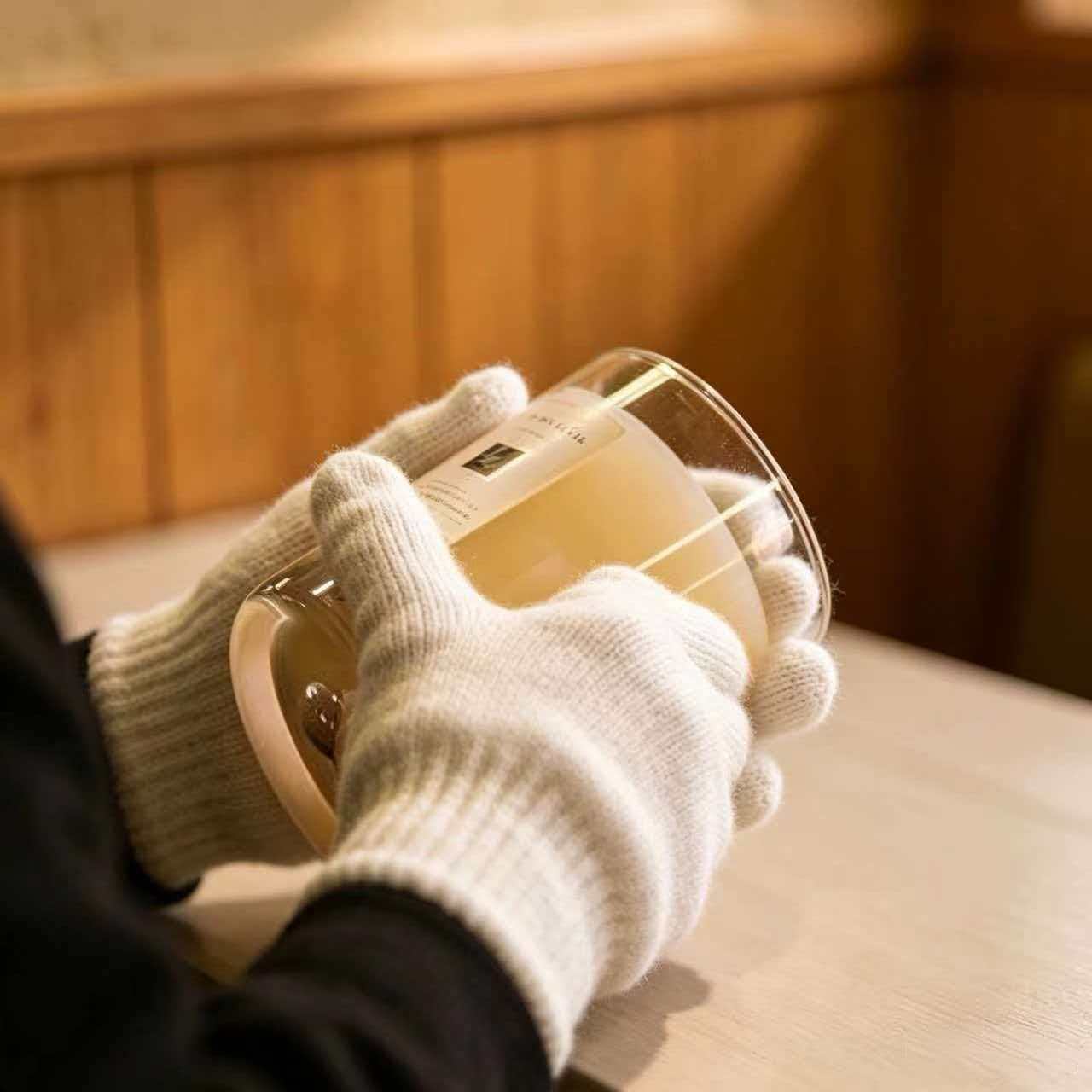
We can wear special gloves to avoid contact with the rubber surface with hands directly. These block direct contact between the adhesive and the surface. Over time, the labels will fall off and become warped.
When labeling, please note that one side of the label should be attached to the surface of the object first. Choose flat, eye-catching, wear-resistant location stickers and avoid seams or uneven spots.
Flattening the labels by hand to expel air and avoid bubbles forming. Focus on smoothing the edges and corners of the label. After pasting, we should also pay attention to storage. Choose a cool, dry, ventilated place, avoid direct sunlight and high temperature.
The knowledge shared above is hoped to help you solve the problems of label peeling and lifting. If you want to know more about label products or related knowledge, please feel free to contact us!

With well-equipped testing equipment and strong technical force, we have several inward rotogravure printing machines and fully automatic label printing machines.
Copyright © 2026 Shanghai Pure-easy Label Printing Co., Ltd. - All Rights Reserved.