Professional Custom Stickers Printing Manufacturer Since 2005
Language
Professional Custom Stickers Printing Manufacturer Since 2005
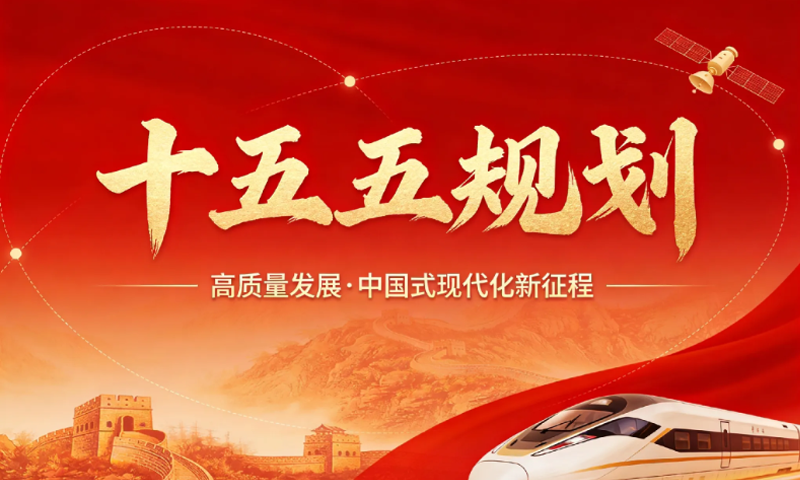
While packaged products offer unparalleled convenience, the environmental pressure of disposable materials is driving a massive industry reform. Under China's 15th Five-Year Plan (2026-2030), green development has transitioned from a "choice" to a "mandatory strategy." For the self-adhesive label industry—widely used in food, pharma, and daily chemicals—this means a fundamental shift toward recyclable and biodegradable materials.
Although packaged products are quite convenient, they can be disposable items.
However, they cause unnecessary consumption of resources and increase environmental pressure.
Therefore, green development is the primary reform trend of the packaging and printing industry in the 15th Five-Year Plan period.
With the dual support of policies and markets, the green, recyclable and biodegradable development has become the mainstream direction of the packaging and printing industry.
As the main consumables of self-adhesive labels widely used in food, daily chemical, pharmaceutical and other industries,
the research and application of environmentally friendly materials have become a key breakthrough for industrial transformation.
Continuous improvement of relevant policies has provided strong support for the green material transformation of self-adhesive labels.
| Feature | Traditional Labels | 15th Five-Year Plan Standard |
| Ink Type | Solvent-based (High VOCs) | Water-based / UV Curing |
| Adhesive | May contain Heavy Metals | Harmless / MEK-free |
| Material | Virgin Plastic / Paper | Recycled / PLA / Bamboo |
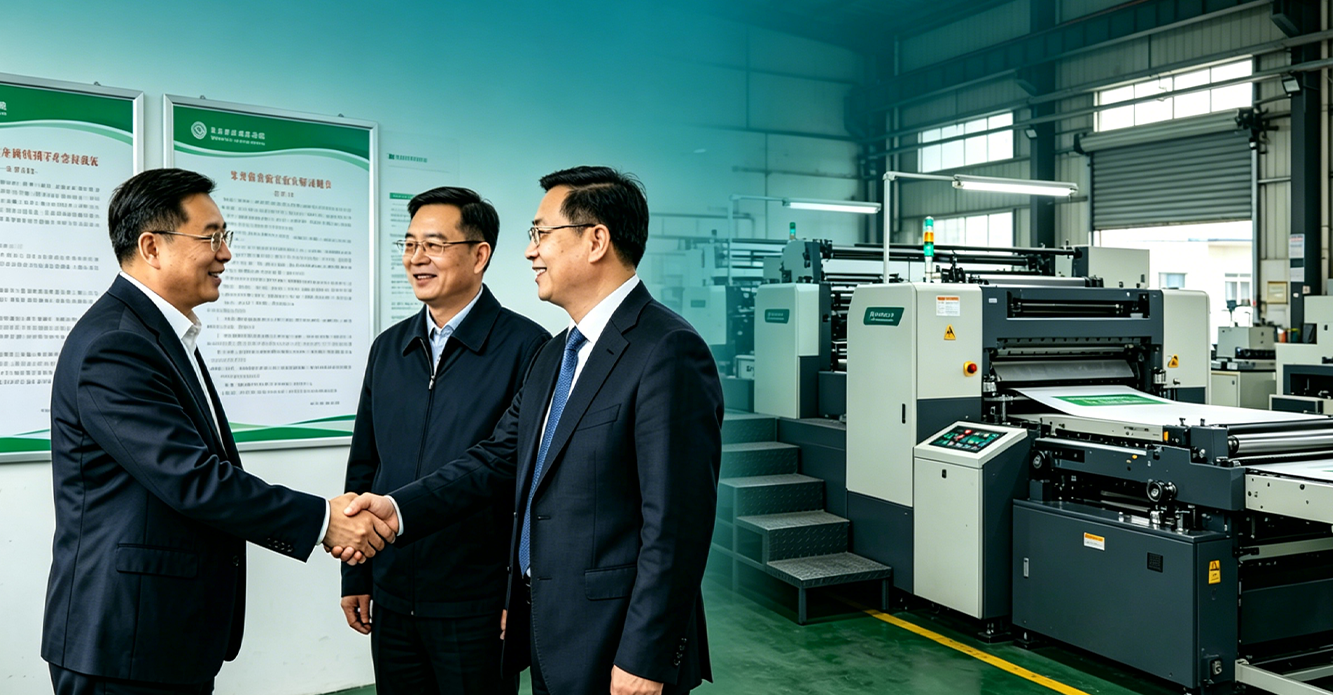
Enterprises that adopt environmentally friendly materials and carry out clean production transformation will receive a green production reward of up to 5 million yuan.
Coupled with tax incentives, green credit discounts and other measures, these policies can effectively reduce the cost of corporate green transformation.
Adopt Harmless Design
When designing packaging, we should consider the impact of toxic and hazardous substances on the environment and packaged products during the whole production and processing process.
Try to use fewer raw materials and processes that contain toxic and harmful substances.
For example, kraft paper, as the main material, is naturally degradable, has low chemical residues, and is recyclable.
While replacing harmful additives in some composite materials, it can effectively reduce environmental burden.
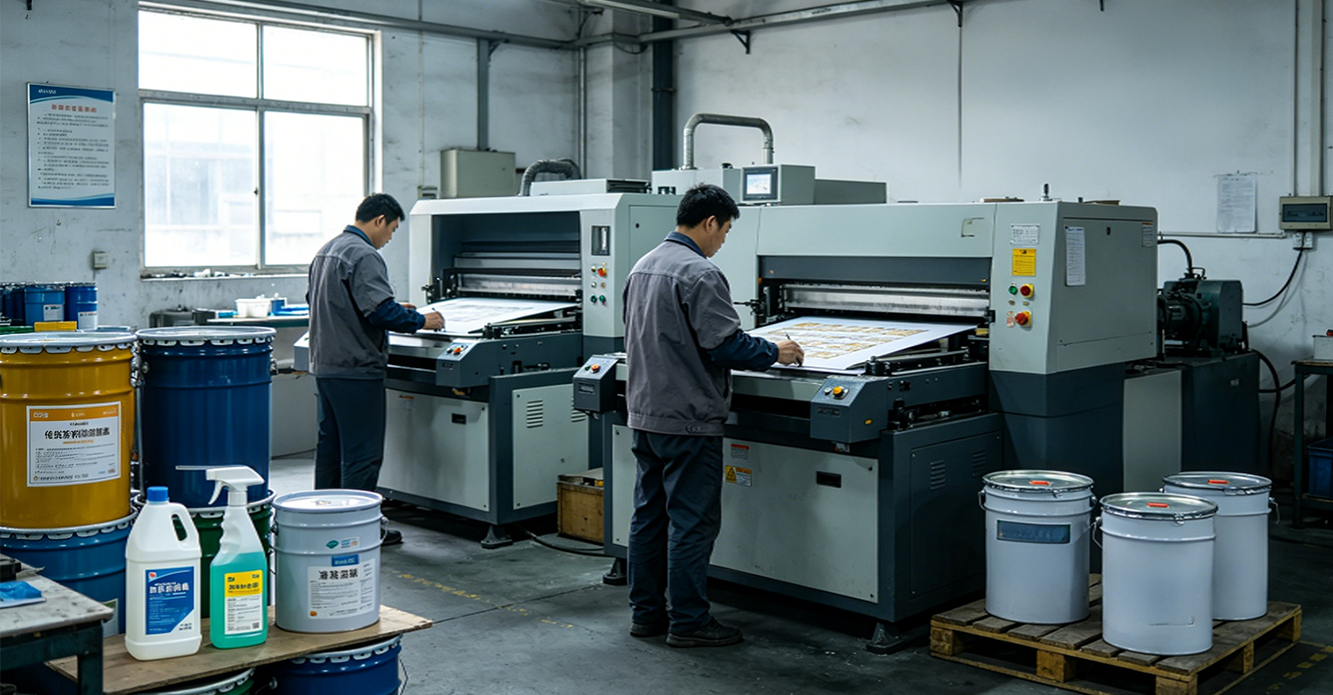
Adopt environmentally friendly printing methods such as UV curing, cold stamping and other green processes to reduce or eliminate the use of solvent-based inks and cleaners, so as to cut down VOCs (Volatile Organic Compounds) emissions.
On the premise of meeting basic needs, the low-ink consumption solution is the best choice, which can reduce the quantity and consumption of ink colors.
It is more environmentally friendly and can also effectively control packaging and printing costs.
Harmless Auxiliary Material
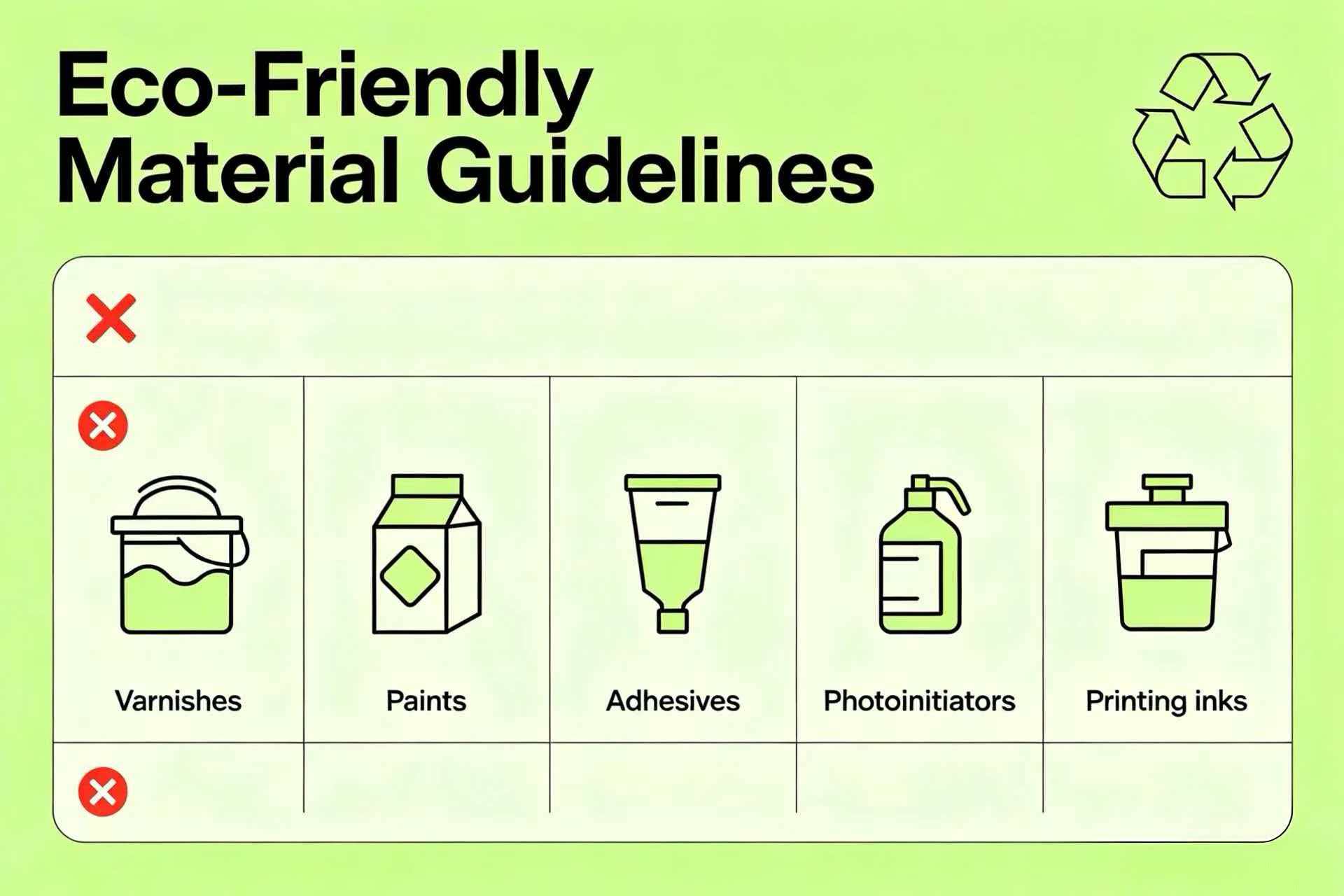
Auxiliary materials such as varnish, coatings, adhesives, photoinitiators and printing inks are widely used in packaging production and processing.
On the premise of ensuring their functions, enterprises should reduce the dosage of these auxiliary materials or adopt harmless alternatives.
Avoid using heavy metal pigments, adhesives containing MEK, perfluorinated compounds, chlorides and other substances that may pollute the environment.
Ensure that packaging materials do not release toxic substances during use or recycling, and minimize impacts on the environment and packaged products.
| Category | Hazardous Materials | Measures | Effects |
Coatings/Varnish | Ordinary/solvent-based varnish, heavy metal pigments | Reduce dosage; use water-based/low-VOC alternatives | Less VOCs, no heavy metal pollution |
Adhesives | MEK, chlorides, perfluorinated compounds | Cut usage; use water-based biodegradable ones | No toxic residue, less pollution |
Photoinitiators | High-toxic traditional ones | Minimize dosage; use low-toxic green ones | Less harmful volatilization |
Printing Inks | Solvent-based with harmful additives | Reduce consumption; use water-based inks | Fewer VOCs, no toxic release |
Material Saving Design
On the premise of ensuring basic functions, raw material consumption should be minimized. Material-saving design is mainly carried out in two aspects:
Optimize and upgrade packaging materials, and improve material performance by optimizing production processes and formula ratios.
It is necessary to develop cost-effective sustainable packaging materials, biodegradable materials, water-based barrier technology, recycled materials and low-carbon process innovations.
Select environmentally friendly materials with better applicability scientifically, such as PHA water-based coating, PLA, bamboo materials, flexo ink, etc.
Prioritize the use of recycled paper, recycled plastics and other resources to reduce resource consumption and environmental load from the source.
Optimize the packaging structure, prioritize practical functions over excessive appearance design, eliminate redundant and unnecessary structures, and reduce resource waste and cost growth.
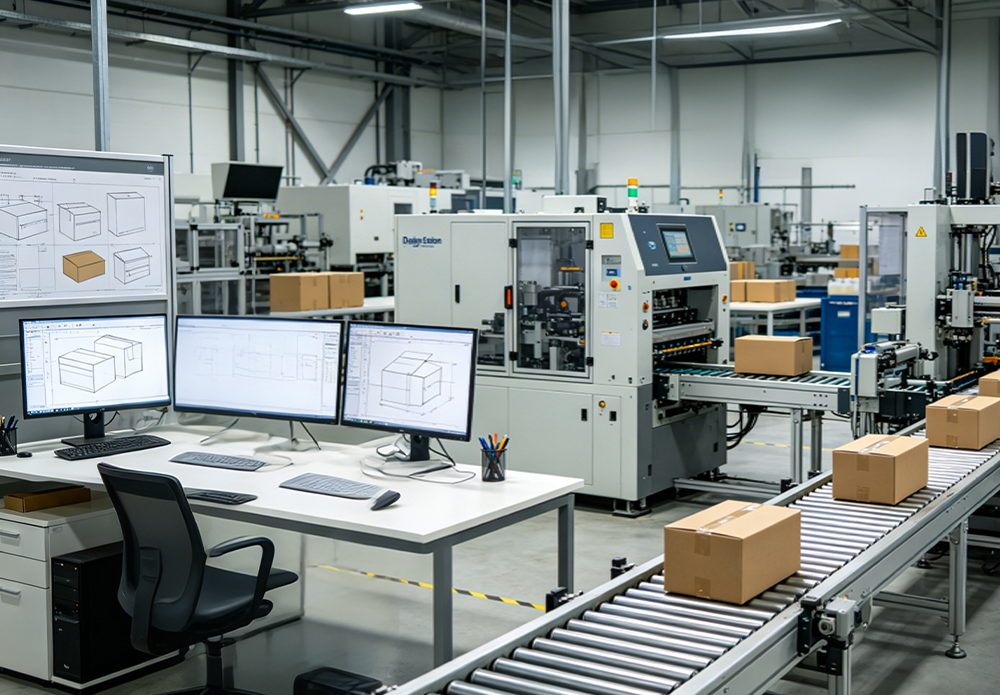
At Shanghai Pure-Easy Label Printing, we don't just follow policies.
By integrating advanced green technologies, we help our clients stay ahead of the "15th Five-Year Plan" requirements:
Water-based Coating & Inkless Printing: Significantly reducing the chemical footprint of every label.
Closed-Loop Model: We have established a comprehensive waste recycling system that bridges the gap between "Production, Use, and Recycling."
The "15th Five-Year Plan" is redefining the competitive landscape of the printing industry. Companies that embrace green materials now will gain a significant edge in both policy compliance and market preference.
Are you ready to upgrade your labels to meet the 2026 Green Standards?
[Contact Pure-Easy for a Free Sustainable Material Sample Pack]

With well-equipped testing equipment and strong technical force, we have several inward rotogravure printing machines and fully automatic label printing machines.
Copyright © 2026 Shanghai Pure-easy Label Printing Co., Ltd. - All Rights Reserved.